Ninja Foodi Winter Soups & Stews

Winter brings a craving for warmth, comfort, and nourishment that few dishes satisfy quite like a steaming bowl of soup or hearty stew. The Ninja Foodi has revolutionized home cooking by combining multiple cooking functions into one versatile appliance, making it an ideal companion for preparing soul-warming winter meals. This innovative kitchen tool transforms the traditional process of making soups and stews from an all-day affair into a convenient, hands-off experience that delivers restaurant-quality results.
The pressure cooking function dramatically reduces cooking times while developing deep, complex flavors that typically require hours of simmering. The ability to sauté aromatics directly in the pot before pressure cooking eliminates the need for multiple pans and preserves every drop of flavor. Additionally, the slow cook function offers flexibility for those who prefer traditional methods, while the built-in crisping lid allows for creative finishing touches like toasted bread bowls or crispy toppings.
“Pressure cooking transforms the molecular structure of ingredients, breaking down tough fibers and infusing flavors in ways that mimic hours of traditional simmering, allowing home cooks to achieve professional results with minimal effort.”
— Journal of Culinary Science & Technology
Key Takeaways
- The Ninja Foodi reduces soup and stew cooking time by up to 70% compared to traditional methods while maintaining exceptional flavor development
- Pressure cooking at high temperatures breaks down tough cuts of meat and dried beans in a fraction of the usual time
- The sauté function allows for proper caramelization of aromatics and browning of proteins without transferring between pots
- The appliance’s sealed environment locks in moisture and nutrients that are often lost during conventional stovetop cooking
- Winter soups and stews made in the Ninja Foodi can be prepared in batches and frozen for convenient meal planning throughout the season

- REPLACES 14 COOKING TOOLS & APPLIANCES: This cooker replaces the need for a slow cooker, steam oven, food warmer, nonstick pot, sauté pan, cast iron skillet, saucier, steamer, saucepan, stock pot, Dutch oven, roasting pan, bread maker, and utensil.
- SEAR & SAUTÉ DIRECTLY IN THE POT: Using the bottom heating elements, you are able to sear proteins and sauté vegetables right in the cooking pot—no need to transfer to the stovetop.
- OVEN SAFE TO 500°F: Removable cooking pot is oven safe up to 500°F, so you can finish your meal in the oven for a crispy top.

- NINJA FOODI SMART XL GRILL: Updated, sleek design with the same functions & benefits. Indoor countertop Grill and Air Fryer with the Smart Cook System & Thermometer.
- SMART COOK SYSTEM & THERMOMETER: The Foodi Smart Thermometer enables you to achieve the perfect doneness, from rare to well-done with 4 protein settings & 9 customizable doneness levels. Do it at the touch of a button with no more guesswork, hassle-free.
- CYCLONIC GRILLING TECHNOLOGY: Uses 500°F of hot cyclonic air and 500°F grill grate to perfectly cook or char grill your food with char-grilled marks and delicious flavors.

- 2 INDEPENDENT BASKETS: The original Air Fryer with 2 independent baskets, the XL air fryer lets you cook 2 foods, 2 ways, at the same time, eliminating back-to-back cooking like a traditional single-basket air fryer.
- SMART FINISH & MATCH COOK: DualZone Technology allows you to choose between the Smart Finish feature, which unlocks cooking 2 foods 2 ways that finish at the same time, and the and a Match Cook button to easily copy settings across zones for full 8-qt capacity.
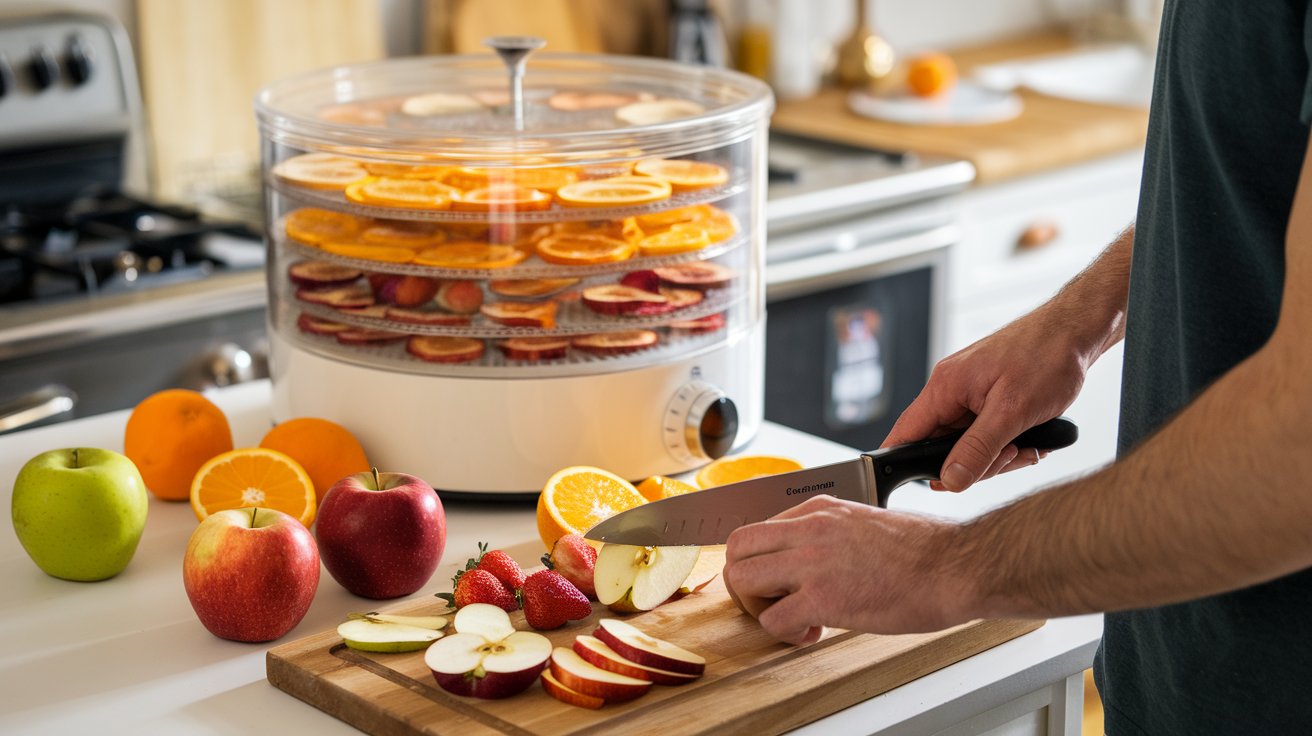
- 6-IN-1 FUNCTIONALITY: Includes 6 versatile cooking programs: Air Fry, Air Broil, Roast, Bake, Reheat, and Dehydrate. The baskets can be washed in the dishwasher or by hand.
- DIGITAL CRISP CONTROL TECHNOLOGY: Precision-controlled temperature, heat source, and airflow for ultimate versatility and optimum cooking performance.
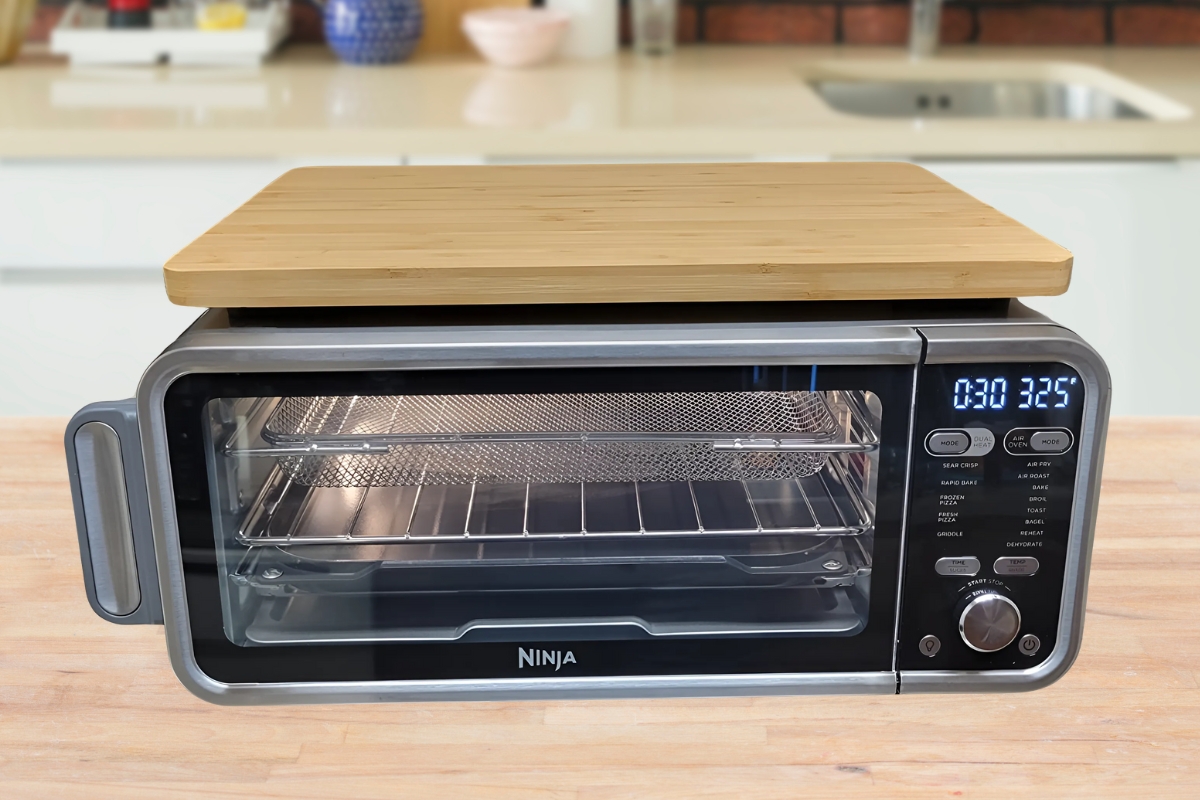
- 8-IN-1 VERSATILITY: The ultimate meal-making machine with 8-in-1 functionality: Air Fry, Air Roast, Air Broil, Bake, Bagel, Toast, Dehydrate, and Keep Warm all in one powerful, 1800-watt appliance. The height of the interior of this machine is approximately 3″.
- LESS FAT: Eat all of your air fried favorites guilt-free with up to 75% less fat when using the Air Fry function vs. traditional deep frying. Tested against hand-cut, deep fried French Fries.
Understanding the Ninja Foodi Advantage for Winter Cooking
The Ninja Foodi stands out among kitchen appliances for its multifunctional capabilities that prove particularly valuable during winter months. Unlike traditional slow cookers or pressure cookers, this device combines several cooking methods in one unit, creating a streamlined cooking experience that saves both time and kitchen space.
The pressure cooking function works by creating a sealed environment where steam builds up, raising the internal temperature above the normal boiling point of water. This elevated temperature and pressure combination penetrates food more effectively, breaking down connective tissues in meat and softening vegetables and legumes quickly. What would typically take four to six hours on the stovetop can be accomplished in thirty to forty-five minutes.
The sauté function provides direct heat to the bottom of the pot, allowing cooks to develop foundational flavors before adding liquids. This step proves crucial for building depth in soups and stews, as the Maillard reaction that occurs during browning creates hundreds of flavor compounds that add complexity to the final dish. The ability to complete this step in the same pot where pressure cooking will occur means no flavor is lost to pan transfers.
Temperature control represents another significant advantage. The Ninja Foodi maintains consistent heat throughout the cooking process, eliminating hot spots that can cause scorching or uneven cooking. This precision ensures that delicate ingredients like seafood or tender vegetables can be added at optimal times without risk of overcooking.
Essential Winter Soup Recipes for the Ninja Foodi
Winter vegetable soup highlights the Ninja Foodi’s ability to turn simple ingredients into comforting meals. Root vegetables like carrots, parsnips, and turnips become tender and naturally sweet under pressure while retaining their shape. Start by sautéing onions and garlic until fragrant, then add diced vegetables, vegetable broth, herbs like thyme and bay leaves, and a touch of tomato paste for depth. Pressure cook for twelve minutes with a natural release for perfectly cooked vegetables.
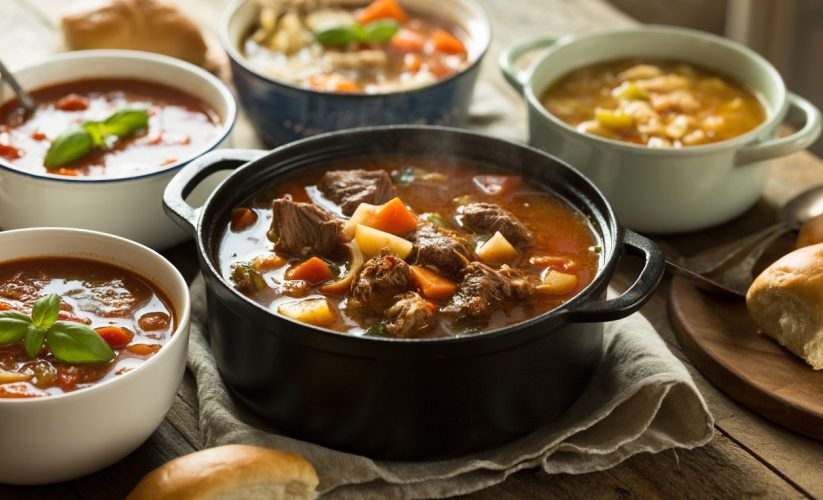
Beef stew is a classic winter dish that shines in the Ninja Foodi. Cut chuck roast or stew meat into uniform pieces and brown in batches using the sauté function to develop a rich crust. Remove the meat, then sauté onions, carrots, and celery in the rendered fat. Sprinkle with flour to create a natural thickener, and add beef broth, red wine, tomato paste, and Worcestershire sauce. Return the meat along with potatoes and pressure cook for twenty-five minutes, yielding fork-tender beef in a velvety, flavorful sauce.
Chicken noodle soup achieves maximum flavor when prepared in stages. Pressure cook whole chicken pieces with aromatics for fifteen minutes to create a rich stock. Remove, shred, and return the broth to the pot. Add vegetables and pressure cook for three minutes, then stir in egg noodles and finish using the sauté function for tender pasta.
Split pea soup demonstrates the Ninja Foodi’s speed with long-cooking ingredients. Dried peas cook in fifteen minutes without soaking, creating a creamy texture. Adding ham and vegetables like carrots, celery, and onions produces a smoky, sweet, satisfying soup without extra thickeners.
Minestrone showcases versatility with multi-ingredient dishes. White beans cook tender in twenty minutes, while tomatoes, zucchini, green beans, pasta, and herbs maintain texture. Finish with spinach or kale and a drizzle of olive oil for a hearty, flavorful winter soup.
Maximizing Flavor Development in Pressure Cooking
Understanding how to build layers of flavor in the Ninja Foodi separates good soups from exceptional ones. The sauté function should be utilized to its full potential before adding liquids. Aromatics like onions, garlic, ginger, and celery should be cooked until they begin to soften and release their essential oils. This process typically takes five to seven minutes and should not be rushed.
Browning proteins adds another dimension of flavor through caramelization. Whether using beef, pork, chicken, or lamb, taking time to develop a golden-brown crust on the meat pieces creates fond on the bottom of the pot. This concentrated layer of browned bits dissolves when liquid is added, enriching the entire dish. Deglazing with wine, broth, or even water scrapes up these flavorful deposits and incorporates them into the cooking liquid.
Toasting spices amplifies their aromatic qualities. Whole spices like cumin seeds, coriander, or peppercorns can be added to hot oil for thirty seconds before other ingredients, releasing volatile compounds that permeate the dish. Ground spices benefit from brief toasting as well, though they require careful attention to prevent burning.
Layering herbs strategically ensures their characteristics shine through. Hearty herbs like rosemary, thyme, oregano, and bay leaves withstand pressure cooking and should be added at the beginning. Delicate herbs like parsley, cilantro, basil, and dill are best stirred in after cooking completes, preserving their bright, fresh flavors.
Acid brightens and balances rich, hearty stews. A splash of vinegar, squeeze of lemon juice, or spoonful of tomato paste added at the end of cooking lifts the entire flavor profile. This final adjustment makes the difference between a flat-tasting soup and one with complexity and vibrancy.
Protein Selection and Preparation Techniques
Choosing the right proteins for Ninja Foodi soups and stews ensures tender, flavorful results. Tougher cuts of meat with more connective tissue actually perform better under pressure than lean cuts. Chuck roast, short ribs, pork shoulder, lamb shanks, and chicken thighs all contain collagen that breaks down into gelatin during pressure cooking, creating a rich, silky texture.
Portioning meat properly promotes even cooking. Pieces should be cut into uniform sizes, typically one-and-a-half to two-inch cubes for stews. This consistency ensures that all pieces reach the proper level of tenderness simultaneously. Leaving meat in larger chunks is acceptable for soups where the protein will be shredded afterward.
Seasoning meat before browning creates a flavorful crust. Salt and pepper applied generously to all surfaces draws out moisture, which then evaporates during the browning process, concentrating flavor. This simple step makes a noticeable difference in the final dish.
Avoiding overcrowding when browning is crucial for proper caramelization. If too much meat is added to the pot at once, it steams rather than browns. Working in batches, even though it requires more time, produces far superior results. Each piece should have space around it to allow moisture to escape.
Bone-in cuts contribute additional flavor and body to broths. The bones release collagen and minerals during cooking, enriching the liquid. Chicken wings, beef bones, or pork neck bones are inexpensive additions that significantly enhance the final product.
Vegetable and Legume Considerations
Understanding how different vegetables respond to pressure cooking prevents mushy, overcooked results. Dense root vegetables like potatoes, carrots, parsnips, and turnips hold up well to extended cooking times and can be added at the beginning. Cutting them into larger pieces compensates for the intense cooking environment.
Tender vegetables require different treatment. Zucchini, summer squash, bell peppers, and leafy greens break down quickly under pressure and should either be added during a manual release halfway through cooking or stirred in at the end using the sauté function for a few minutes.
Dried beans and lentils shine in the Ninja Foodi, cooking to perfect tenderness without pre-soaking in most cases. Black beans, kidney beans, navy beans, and chickpeas pressure cook in twenty-five to thirty minutes, compared to several hours on the stovetop. Adding a piece of kombu seaweed during cooking can enhance digestibility and add minerals.
Preventing bean blow-outs requires avoiding salt in the cooking liquid initially. Salt can toughen bean skins and lead to uneven cooking. Instead, season with salt after the beans have cooked through and are tender. A tablespoon of oil in the cooking liquid also helps prevent foaming.
Fresh versus frozen vegetables offer different advantages. Fresh vegetables provide superior texture and flavor when available, but frozen vegetables offer convenience and are often frozen at peak ripeness, preserving nutrients. Frozen vegetables can be added directly to the pot without thawing when using the Ninja Foodi.
Liquid Ratios and Consistency Control
Proper liquid amounts ensure successful pressure cooking. The Ninja Foodi requires a minimum of one cup of liquid to generate sufficient steam for pressure building. For soups, this presents no issue, but thick stews require careful balancing. Too much liquid creates a watery result, while too little risks burning.
Starting with less liquid than traditional recipes call for compensates for the lack of evaporation during pressure cooking. A standard stovetop recipe might be reduced by one-third when adapting for the Ninja Foodi. Additional liquid can always be stirred in after cooking if needed.
Natural thickening methods create body without added starches. Pureeing a portion of the finished soup with an immersion blender releases starches from vegetables and creates a creamy consistency. Mashing some of the potatoes or beans against the side of the pot achieves a similar effect.
Cornstarch slurries provide quick thickening when needed. Mixing equal parts cornstarch and cold water, then stirring the mixture into simmering soup using the sauté function activates the starch and thickens the liquid within minutes. This technique works well for gravies and thick stews.
Reduction concentrates flavors and thickens liquid. Using the sauté function with the lid off after pressure cooking allows excess moisture to evaporate, intensifying the taste and improving consistency. This final step takes ten to fifteen minutes but dramatically improves the final result.
Batch Cooking and Storage Strategies
Preparing large quantities of soup and stew makes winter meal planning effortless. The Ninja Foodi’s capacity allows for substantial batches that can feed a family multiple times or be portioned for individual meals. Most models accommodate six to eight quarts, enough for ten to twelve servings of soup.
Cooling soup properly before storage prevents bacterial growth. The large volume of hot liquid in a sealed container creates an ideal environment for harmful bacteria. Dividing soup into smaller containers speeds cooling, or the pot can be placed in a sink of ice water and stirred occasionally until it reaches room temperature.
Freezing in portion-sized containers provides maximum flexibility. Individual servings in microwave-safe containers offer convenient lunches, while family-sized portions in freezer bags save space. Removing as much air as possible from bags prevents freezer burn and extends storage life.
Labeling containers with contents and date eliminates confusion. Most soups and stews maintain quality in the freezer for three to four months. Including reheating instructions on the label proves helpful, especially when others might be preparing the meal.
Certain ingredients should be added after reheating rather than before freezing. Pasta becomes mushy when frozen and reheated, so it’s better added fresh to reheated soup. Dairy products can separate when frozen, though they can be whisked back together. Fresh herbs lose vibrancy, so garnishing with fresh herbs after reheating restores brightness.
Adapting Traditional Recipes for the Ninja Foodi
Converting stovetop or slow cooker recipes requires understanding pressure cooking time adjustments. As a general rule, pressure cooking takes about one-third the time of conventional cooking methods. A soup that simmers for ninety minutes on the stovetop might need only thirty minutes under pressure.
Liquid adjustments prevent watery results. Traditional recipes account for evaporation during extended cooking, but pressure cooking traps moisture. Reducing the liquid by twenty-five to thirty-five percent usually produces the right consistency. If the finished soup seems too thick, thinning with additional broth is simple.
Layering ingredients by cooking time ensures everything reaches perfect doneness. Hardy ingredients that require longer cooking go in first, while delicate items are added later. Some recipes benefit from two cooking cycles—one for the base ingredients and a second shorter cycle for quicker-cooking additions.
Pressure release methods affect final texture. Natural release, where the pressure dissipates gradually over ten to twenty minutes, allows continued gentle cooking and works well for tough meats and dried beans. Quick release, achieved by manually opening the valve, halts cooking immediately and suits tender vegetables and seafood.
Taste testing after cooking allows for final adjustments. Pressure cooking can mute some flavors, so seasoning with additional salt, acid, or fresh herbs at the end brightens the dish. This final seasoning step should never be skipped, as it elevates the soup from good to exceptional.
Health Benefits of Winter Soups and Stews
Nutrient retention in pressure cooking surpasses many other cooking methods. The sealed environment prevents vitamin C and B vitamins from escaping into the air or cooking water. Studies show that pressure cooking can preserve up to ninety percent of nutrients compared to boiling, which often destroys fifty percent or more.
Bone broth created in the Ninja Foodi provides collagen, amino acids, and minerals. Pressure cooking bones for sixty to ninety minutes extracts these beneficial compounds efficiently. The resulting broth supports joint health, improves skin elasticity, and aids digestive function. Drinking a cup of warm bone broth daily during winter months provides immune support.
Vegetable-forward soups increase daily vegetable intake effortlessly. The average adult should consume two to three cups of vegetables daily, but many fall short. A hearty vegetable soup can provide an entire day’s worth of vegetables in a single satisfying bowl. The variety of vegetables in minestrone or vegetable barley soup offers diverse nutrients and phytochemicals.
Legume-based soups deliver protein and fiber without saturated fat. Lentils, split peas, black beans, and chickpeas provide substantial protein—about fifteen to eighteen grams per cup—along with dietary fiber that promotes digestive health and helps maintain stable blood sugar levels. These plant-based proteins offer an economical alternative to meat-heavy meals.
Homemade soups allow complete control over sodium content. Commercial canned soups often contain eight hundred to twelve hundred milligrams of sodium per serving, well over half the recommended daily intake. Making soup from scratch with low-sodium broth and careful seasoning can reduce sodium by seventy-five percent while delivering superior flavor.
Conclusion
The Ninja Foodi transforms winter soup and stew preparation from a time-intensive process into an accessible, convenient cooking method that delivers exceptional results. By combining pressure cooking, sautéing, and slow cooking capabilities in one appliance, it streamlines meal preparation while preserving the deep, complex flavors that make these dishes so comforting during cold months.
Understanding how to maximize the appliance’s features—from properly browning proteins and aromatics to adjusting liquid ratios and timing ingredient additions—ensures consistently excellent outcomes. The ability to prepare large batches efficiently makes meal planning practical, providing nourishing homemade food throughout the season with minimal daily effort.
Winter soups and stews offer more than just warmth and comfort. They provide an opportunity to increase vegetable consumption, incorporate nutrient-dense legumes, and create meals that support health and wellbeing during the season when immune systems face the most challenges. The Ninja Foodi makes preparing these beneficial meals accessible to cooks of all skill levels.
Whether preparing a classic beef stew, a healing chicken soup, or a vibrant vegetable minestrone, the Ninja Foodi proves itself an invaluable partner in the kitchen. Its versatility, efficiency, and ability to develop restaurant-quality flavors make it particularly suited to the hearty, soul-satisfying dishes that define winter cooking. Embracing this tool opens up endless possibilities for creating memorable meals that bring warmth and nourishment to the coldest days.
Frequently Asked Questions
Can frozen meat be cooked directly in the Ninja Foodi without thawing?
Yes, frozen meat can be pressure cooked in the Ninja Foodi without prior thawing, though it requires additional cooking time—typically fifty percent longer than thawed meat. However, the sauté function cannot brown frozen meat effectively, so it’s best used for soups where browning isn’t essential. For optimal flavor development in stews, thawing meat overnight in the refrigerator allows proper browning and more even cooking. When cooking from frozen, ensure the meat reaches an internal temperature of at least one hundred sixty-five degrees Fahrenheit for poultry and one hundred forty-five degrees for beef and pork.
How can soup be prevented from burning on the bottom during pressure cooking?
Preventing burning requires sufficient liquid and proper layering. Always ensure at least one cup of thin liquid is in the pot before sealing. Place denser ingredients like meat and root vegetables on the bottom where they contact the heat source, and pour liquid over them. Avoid thick ingredients like tomato paste or sauce directly on the bottom—mix them into the liquid instead. After sautéing, deglaze the pot thoroughly, scraping up any browned bits. If a recipe seems prone to sticking, placing a steamer basket in the bottom can protect against scorching while still allowing flavors to meld.
What is the difference between natural and quick release, and when should each be used?
Natural release allows pressure to decrease gradually as the pot cools, typically taking ten to twenty-five minutes. This method continues gentle cooking and works best for large cuts of meat, dried beans, and soups with high liquid content, as it prevents liquid from spurting through the valve. Quick release manually vents pressure immediately by turning the valve, stopping the cooking process instantly. Use quick release for delicate vegetables, seafood, or when adding ingredients mid-cooking. For most soups and stews, a combination works well—allowing ten minutes of natural release before switching to quick release balances tenderness with timing efficiency.
How should recipes be adjusted for high altitude when using the Ninja Foodi?
At elevations above three thousand feet, water boils at lower temperatures, affecting pressure cooking. Add five percent more cooking time for every one thousand feet above sea level. For example, a recipe calling for twenty minutes at sea level needs twenty-three minutes at three thousand feet and twenty-six minutes at six thousand feet. Liquid requirements remain the same, but natural release times may extend slightly. The Ninja Foodi’s pressure cooking helps compensate for altitude challenges better than conventional methods, as the sealed environment maintains higher temperatures than open-pot cooking.
What are the best practices for converting slow cooker soup recipes to the Ninja Foodi?
Slow cooker recipes translate well to the Ninja Foodi with time and liquid adjustments. Divide the slow cooker time by three for pressure cooking estimates—six hours on low becomes approximately two hours under pressure, though experimentation helps fine-tune timing. Reduce liquid by one-quarter to one-third since pressure cooking doesn’t allow evaporation. Brown aromatics and proteins using the sauté function first for enhanced flavor that slow cooking alone doesn’t provide. If the recipe includes dairy, add it after pressure cooking using the sauté function to prevent curdling. The Ninja Foodi’s slow cook function can also replicate traditional slow cooker methods when time permits and a more hands-off approach is desired.
Last update on 2026-03-06 / Affiliate links / Images from Amazon Product Advertising API
*We may earn a commission for purchases made using our links. Please see our disclosure to learn more.