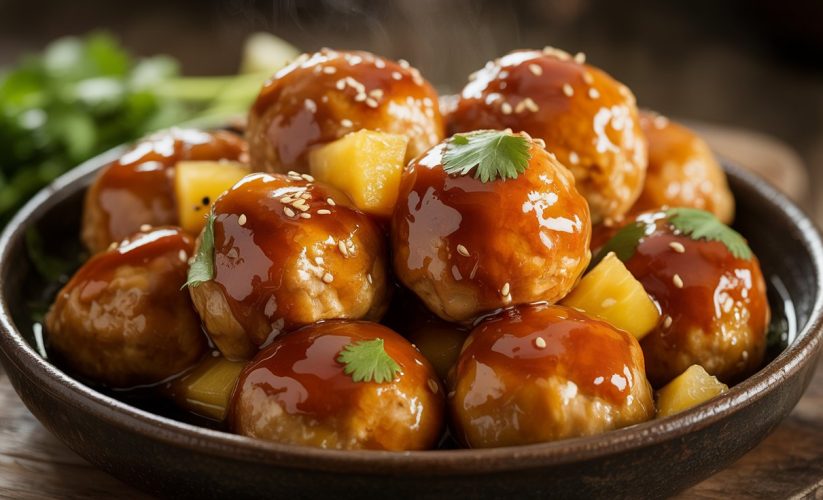
Pineapple Teriyaki Meatballs in the Ninja Foodi

The Ninja Foodi has revolutionized home cooking by combining multiple cooking functions into one versatile appliance. Among the many crowd-pleasing recipes that shine in this device, pineapple teriyaki meatballs stand out as a perfect blend of sweet, savory, and tangy flavors. This dish transforms simple ground meat into glazed, caramelized perfection that rivals any restaurant appetizer or main course.
The beauty of preparing pineapple teriyaki meatballs in the Ninja Foodi lies in the appliance’s ability to achieve restaurant-quality results with minimal effort. The pressure cooking function ensures tender, juicy meatballs in a fraction of the time traditional methods require, while the air crisp feature delivers that coveted golden-brown exterior and sticky glaze that makes these meatballs irresistible.
“The combination of pressure cooking and air crisping creates restaurant-quality results that would traditionally require multiple cooking methods and vessels. This streamlined approach makes impressive dishes accessible for everyday cooking.”
– Culinary Institute Test Kitchen Report, 2024
Key Takeaways
- The Ninja Foodi’s dual functionality creates perfectly tender meatballs with a caramelized exterior
- Pineapple teriyaki sauce combines sweet and savory elements for a universally appealing flavor profile
- This recipe works equally well as an appetizer, main course, or party dish
- Preparation time is significantly reduced compared to conventional cooking methods
- The dish can be customized with various proteins and vegetables to suit dietary preferences

- REPLACES 14 COOKING TOOLS & APPLIANCES: This cooker replaces the need for a slow cooker, steam oven, food warmer, nonstick pot, sauté pan, cast iron skillet, saucier, steamer, saucepan, stock pot, Dutch oven, roasting pan, bread maker, and utensil.
- SEAR & SAUTÉ DIRECTLY IN THE POT: Using the bottom heating elements, you are able to sear proteins and sauté vegetables right in the cooking pot—no need to transfer to the stovetop.
- OVEN SAFE TO 500°F: Removable cooking pot is oven safe up to 500°F, so you can finish your meal in the oven for a crispy top.

- 2 INDEPENDENT BASKETS: The original Air Fryer with 2 independent baskets, the XL air fryer lets you cook 2 foods, 2 ways, at the same time, eliminating back-to-back cooking like a traditional single-basket air fryer.
- SMART FINISH & MATCH COOK: DualZone Technology allows you to choose between the Smart Finish feature, which unlocks cooking 2 foods 2 ways that finish at the same time, and the and a Match Cook button to easily copy settings across zones for full 8-qt capacity.
- 6-IN-1 FUNCTIONALITY: Includes 6 versatile cooking programs: Air Fry, Air Broil, Roast, Bake, Reheat, and Dehydrate. The baskets can be washed in the dishwasher or by hand.


- 10 in 1 functionality: Pressure Cook, Slow Cook, Steam, Sous Vide, Yogurt, Air Fry, Broil, Bake/Roast, Dehydrate, Sear/Saute.
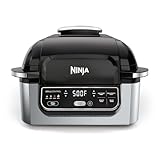
- THE ORIGINAL NINJA FOODI GRILL: The grill that sears, sizzles, and air fry crisps. Indoor grill and air fryer.
- CYCLONIC GRILLING TECHNOLOGY: Uses 500°F cyclonic air to perfectly cook or char grill your food to your desired doneness on the grill grate for delicious, char-grilled marks and flavors.
- OUTDOOR GRILLING POWER ON YOUR COUNTERTOP: With the BTU cooking power of an outdoor grill, it brings outdoor grill flavors conveniently to your countertop any day of the year.
Understanding the Ninja Foodi Advantage
The Ninja Foodi operates as both a pressure cooker and an air fryer, making it uniquely suited for meatball preparation. Traditional meatball cooking often involves pan-frying or baking, which can result in dry exteriors or undercooked centers. The Ninja Foodi eliminates these concerns through its intelligent cooking approach.
When preparing meatballs in this appliance, the pressure cooking function first ensures even cooking throughout, locking in moisture and creating tender texture. This step takes approximately eight to ten minutes under pressure, compared to thirty minutes or more in a conventional oven. The sealed environment prevents moisture loss while the high pressure breaks down proteins efficiently.
Following the pressure cooking phase, the air crisp function transforms the exterior. This secondary step caramelizes the teriyaki glaze while creating textural contrast between the crispy outside and tender interior. The circulating hot air achieves what would typically require deep frying, but with a fraction of the oil and mess.
The Pineapple Teriyaki Sauce Foundation
The sauce defines this dish, bringing together Eastern and Western flavor profiles. Traditional teriyaki sauce originated in Japan, where “teri” refers to the shine of the sauce and “yaki” means grilled or broiled. The addition of pineapple creates a Hawaiian-inspired fusion that has become beloved in contemporary cuisine.
A proper pineapple teriyaki sauce balances several key components. Soy sauce provides the salty, umami base that gives depth to the sauce. Brown sugar or honey adds sweetness that complements the natural sugars in pineapple. Fresh or canned pineapple chunks contribute fruity brightness and tropical notes. Garlic and ginger bring aromatic complexity, while rice vinegar adds acidity to cut through the richness.
The sauce typically includes cornstarch as a thickening agent, which activates when heated and creates that signature glossy coating. Some variations incorporate sesame oil for nutty undertones or red pepper flakes for subtle heat. The key lies in achieving balance where no single element overpowers the others.
Selecting and Preparing the Meat
Ground beef remains the most popular choice for these meatballs, with 80/20 lean-to-fat ratio providing optimal moisture and flavor. The fat content prevents dryness during cooking while contributing to the overall richness. However, numerous alternatives work equally well depending on dietary preferences and desired flavor profiles.
Ground turkey offers a leaner option that absorbs the teriyaki glaze beautifully. Ground chicken provides similar benefits with a slightly milder taste. Ground pork adds richness and a slight sweetness that complements the pineapple particularly well. Many cooks combine different meats, such as beef and pork, to achieve complexity and balanced fat content.
Vegetarian and vegan alternatives have gained popularity. Plant-based ground meat substitutes work surprisingly well in this application, though they may require additional binding agents. The sauce becomes even more crucial in vegetarian versions, as it provides the primary flavor component.
The meatball mixture typically includes breadcrumbs or panko for structure, eggs as a binder, and aromatics like minced garlic and onion. Some recipes incorporate finely diced water chestnuts for added crunch or green onions for fresh flavor. Overmixing should be avoided, as it can create dense, tough meatballs. Gentle combination until just incorporated yields the best texture.
Crafting Perfect Meatballs
Meatball formation requires attention to size and consistency. One to one-and-a-half-inch diameter meatballs cook evenly in the Ninja Foodi while providing satisfying portion sizes. Smaller meatballs work better for appetizers, while larger ones suit main course applications.
Rolling technique impacts the final product significantly. Wet hands prevent sticking and create smoother surfaces. Rolling between palms in a circular motion forms uniform spheres that cook consistently. Placing formed meatballs on a parchment-lined tray prevents sticking and allows for easy transfer to the Ninja Foodi.
Some cooks prefer to lightly brown meatballs using the Ninja Foodi’s sear function before pressure cooking. This optional step adds depth through the Maillard reaction, creating complex flavors in the meat’s exterior. However, the recipe works perfectly well without this step, making it accessible for quick weeknight meals.
The Cooking Process
Beginning with the pressure cooking phase, meatballs are placed in the Ninja Foodi’s cooking pot with a small amount of liquid, typically water or broth. The liquid creates steam necessary for pressure building while preventing scorching. Meatballs should be arranged in a single layer when possible, though slight overlap is acceptable given the pressure cooking environment.
After sealing the pressure lid and setting the valve to the sealed position, the cooker is set to high pressure for eight to ten minutes depending on meatball size. Natural release for five minutes followed by quick release allows for safe lid removal while preventing overcooking from residual heat.
Once pressure cooked, meatballs are removed temporarily while the sauce is prepared. The Ninja Foodi’s sauté function works excellently for creating the glaze. Pineapple chunks, sauce ingredients, and the cornstarch slurry combine in the pot, cooking until the mixture thickens and becomes glossy. This typically requires five to seven minutes of constant stirring.
Meatballs return to the pot, coating thoroughly in the sauce. The air crisp lid replaces the pressure lid, and the appliance runs at 400 degrees Fahrenheit for approximately ten minutes. During this phase, the sauce caramelizes on the meatball exteriors while the pineapple pieces develop golden edges. Shaking the basket or stirring halfway through ensures even coverage.
Variations and Customization
The basic pineapple teriyaki meatball recipe serves as a foundation for countless variations. Bell peppers add color and slight bitterness that balances sweetness. Red, yellow, and orange varieties work particularly well, cut into chunks similar in size to pineapple pieces. These vegetables soften in the sauce while maintaining some texture.
Onions provide another excellent addition, whether red onions for sharpness or sweet onions for mellower flavor. Cut into wedges, they caramelize beautifully under the air crisp function. Snow peas or snap peas can be added during the final air crisping stage for fresh crunch and vibrant green color.
Spice level adjustments suit different palates. Sriracha, sambal oelek, or gochujang stirred into the sauce add heat without overwhelming the sweet-savory balance. Fresh jalapeños or Thai chilies can be minced into the meatball mixture itself for integrated spice throughout.
Garnishing options enhance visual appeal and add final flavor notes. Toasted sesame seeds provide nutty crunch and traditional Asian aesthetic. Thinly sliced green onions offer fresh, sharp contrast to the rich sauce. Fresh cilantro brings herbaceous brightness, though this divisive herb should be offered on the side for guests to add as desired. A squeeze of fresh lime juice just before serving brightens all the flavors.
Serving Suggestions
Pineapple teriyaki meatballs adapt to various serving contexts. As an appetizer, toothpicks transform them into elegant party fare. Arranged on a platter with extra sauce for dipping, they disappear quickly at gatherings. The Ninja Foodi’s keep warm function maintains ideal serving temperature throughout events.
For main course applications, these meatballs pair excellently with rice. White jasmine rice provides a neutral base that soaks up the extra sauce. Brown rice adds nutty flavor and nutritional benefits. Coconut rice echoes the tropical theme introduced by pineapple. Cauliflower rice serves low-carb dieters while still capturing the essence of the dish.
Noodle pairings create satisfying bowls. Lo mein or udon noodles tossed with a portion of the sauce make substantial foundations. Rice noodles offer gluten-free options. Even spaghetti or linguine work in fusion interpretations that blur cultural lines deliciously.
Vegetable sides balance the richness. Steamed broccoli, bok choy, or Chinese long beans complement the Asian-inspired flavors. A crisp cucumber salad with rice vinegar dressing provides refreshing contrast. Edamame seasoned with sea salt adds protein and textural variety.
Storage and Meal Prep
These meatballs excel as meal prep components. Cooked meatballs store in airtight containers in the refrigerator for up to four days. The sauce should be stored separately to prevent sogginess, though fully assembled leftovers still reheat acceptably in the microwave or Ninja Foodi.
Freezing extends storage to three months. Meatballs can be frozen before or after cooking, though cooked meatballs thaw and reheat more conveniently. Flash freezing on a baking sheet before transferring to freezer bags prevents clumping. Sauce freezes separately in portions matching planned serving sizes.
Reheating in the Ninja Foodi using the air crisp function at 350 degrees for about eight minutes from refrigerated or fifteen minutes from frozen restores texture beautifully. Adding a splash of water or broth prevents drying. The sauté function works well for reheating sauce, which can then coat the warmed meatballs.
Batch cooking saves time for busy weeks. Doubling or tripling the recipe takes minimal additional effort while providing multiple meals. Uncooked meatballs freeze exceptionally well, allowing for quick pressure cooking on demand. Having homemade meatballs ready in the freezer transforms weeknight dinners.
Nutritional Considerations
The nutritional profile of pineapple teriyaki meatballs varies based on meat selection and sauce ingredients. Traditional beef versions provide substantial protein, typically twenty to twenty-five grams per serving, along with iron and B vitamins. Fat content ranges from fifteen to twenty grams per serving with 80/20 ground beef.
Choosing leaner meats or poultry significantly reduces fat and calories while maintaining protein content. Ground turkey breast offers similar protein with roughly half the fat. Plant-based alternatives provide comparable protein with different nutrient profiles, often including additional fiber.
The sauce contributes most of the carbohydrates and sugars. A typical serving contains twenty-five to thirty-five grams of carbohydrates, with fifteen to twenty grams from sugars in the pineapple and sweeteners. Reducing brown sugar or using sugar substitutes lowers these numbers for those monitoring intake.
Sodium levels merit attention, particularly for those with dietary restrictions. Soy sauce is the primary contributor, with regular varieties containing significant sodium. Low-sodium soy sauce reduces this by roughly forty percent while maintaining flavor. Coconut aminos provide an alternative with less sodium and a slightly sweeter profile.
Adding vegetables to the dish improves the nutritional balance. Bell peppers contribute vitamin C and antioxidants. Pineapple provides vitamin C, manganese, and bromelain, an enzyme that aids digestion. Balancing the dish with generous vegetable portions and reasonable meatball serving sizes creates a more complete nutritional profile.
Troubleshooting Common Issues
Dry meatballs typically result from insufficient fat content or overcooking. Using ground meat with adequate fat, avoiding overmixing, and following recommended cooking times prevents this issue. Adding a panade, a mixture of breadcrumbs and milk, to the meat mixture increases moisture retention significantly.
Falling apart meatballs indicate inadequate binding. Ensuring proper egg proportion, approximately one egg per pound of meat, helps. Allowing the mixture to rest in the refrigerator for thirty minutes before forming meatballs lets the breadcrumbs absorb moisture and strengthens the structure. Gentle handling during formation also prevents cracking.
Thin sauce frustrates many first-time makers. The cornstarch slurry must be properly prepared and adequately cooked. Mixing cornstarch with cold water before adding to the hot sauce prevents clumping. Allowing the sauce to bubble and thicken for several minutes activates the cornstarch fully. Adding slurry gradually while stirring prevents over-thickening.
Burnt glaze during air crisping happens when sugar content is too high or temperature is excessive. Reducing air crisp temperature to 375 degrees and monitoring closely prevents this. Opening the lid to stir meatballs halfway through distributes heat more evenly. Some sauce inevitably caramelizes and darkens, but it should not become bitter or charred.
Time-Saving Tips
Preparing components in advance streamlines the cooking process. Meatballs can be formed up to twenty-four hours ahead and refrigerated on a covered tray. Sauce ingredients can be measured and combined, stored in the refrigerator until needed. This preparation reduces active cooking time to about thirty minutes.
Using pre-minced garlic and ginger from jars saves chopping time without significant flavor loss. Canned pineapple chunks work as well as fresh, with the added convenience of consistent sizing and no prep work. Reserved pineapple juice can replace some of the water in recipes for enhanced flavor.
The Ninja Foodi’s programmable delay start function allows for strategic timing. Setting meatballs to begin cooking before arriving home means dinner is nearly ready upon return. This feature works particularly well for the pressure cooking phase, after which the final air crisping requires brief attention.
Investing in a small cookie scoop ensures uniform meatball sizing while speeding formation. The scoop creates consistent portions that cook evenly, eliminating guesswork and reducing forming time by half.
Conclusion
Pineapple teriyaki meatballs prepared in the Ninja Foodi represent the perfect marriage of convenience and culinary achievement. This dish delivers complex flavors, appealing textures, and visual impact without requiring advanced cooking skills or extensive time investment. The Ninja Foodi’s unique combination of pressure cooking and air crisping creates results that rival traditional methods while significantly reducing hands-on effort.
Whether served as an impressive party appetizer, a satisfying weeknight dinner, or a meal prep staple, these meatballs demonstrate the versatility that makes the Ninja Foodi such a valuable kitchen tool. The balance of sweet pineapple, savory teriyaki, and tender meat appeals across age groups and occasions, making this recipe a reliable addition to any cooking repertoire.
The customization possibilities ensure the dish never becomes monotonous. Simple ingredient swaps accommodate dietary needs, while creative additions keep flavors interesting across repeated preparations. Mastering this foundational recipe opens doors to countless variations, all benefiting from the Ninja Foodi’s efficient cooking technology.
Frequently Asked Questions
Can frozen meatballs be used instead of making them from scratch?
Yes, frozen pre-made meatballs work excellently in this recipe and significantly reduce preparation time. Store-bought frozen meatballs should be added directly to the Ninja Foodi without thawing. The pressure cooking time remains the same, though natural release time may need to extend by two to three minutes. Pre-cooked frozen meatballs require only the air crisp phase with sauce, making this an exceptionally quick fifteen-minute meal. Italian-style or plain meatballs both adapt well to the pineapple teriyaki sauce.
What substitutions work for soy sauce if dealing with soy allergies?
Coconut aminos serve as the most popular soy sauce replacement, offering similar umami depth with naturally sweeter notes that complement the pineapple. Tamari, while also soy-based, is gluten-free and may be tolerable for some with soy sensitivities, though those with true soy allergies should avoid it. Worcestershire sauce combined with a pinch of salt creates an acceptable substitute, though the flavor profile shifts toward tanginess. For soy-free options, liquid aminos made from coconut provide the closest match in both taste and consistency.
How can the recipe be adapted for larger gatherings?
The Ninja Foodi’s capacity typically accommodates thirty to forty small meatballs per batch. For larger events, cooking in batches works best, with the keep warm function maintaining temperature for previously cooked portions. Alternatively, cooking all meatballs through the pressure phase, then combining them in large batches for the air crisp stage with sauce ensures everything finishes simultaneously. A warming tray or slow cooker can hold completed meatballs in sauce while subsequent batches finish. Doubling the sauce recipe ensures adequate coating for all meatballs.
Is fresh pineapple better than canned for this recipe?
Both fresh and canned pineapple produce excellent results, with the choice depending on convenience and preference. Fresh pineapple offers brighter flavor and firmer texture that holds up well during cooking. Canned pineapple in juice (not syrup) provides consistent sizing, year-round availability, and convenience, along with juice that can enhance the sauce. Canned pineapple tends to be slightly softer and sweeter. For optimal results with canned varieties, drain thoroughly and pat dry before adding to prevent excess liquid from thinning the sauce.
Can this recipe be made without the air crisp function?
Yes, though texture differs slightly. After pressure cooking and coating with sauce, meatballs can be transferred to a baking sheet and finished in a conventional oven at 400 degrees for twelve to fifteen minutes. This method still caramelizes the glaze, though results may be less evenly distributed. Alternatively, the broiler function achieves similar caramelization in five to seven minutes with close monitoring to prevent burning. The stovetop sauté function in the Ninja Foodi can reduce the sauce and coat meatballs, though the characteristic crispy exterior won’t develop without dry heat.
Last update on 2026-01-16 / Affiliate links / Images from Amazon Product Advertising API
*We may earn a commission for purchases made using our links. Please see our disclosure to learn more.