
Ninja Air Fryer Lava Cakes

The Ninja Air Fryer has revolutionized home cooking, transforming kitchen routines with its versatility and convenience. Among the countless recipes adapted for this appliance, Ninja Air Fryer lava cakes stand out as a showstopping dessert that perfectly demonstrates the air fryer’s capabilities. These individual chocolate desserts, with their signature molten centers, have become surprisingly accessible to home bakers through air fryer technology, eliminating the need for precise oven timing and reducing preparation complexity.
“The air fryer has democratized restaurant-quality desserts, allowing home cooks to achieve professional results without culinary school training or expensive equipment.”
— Culinary Institute Journal
Key Takeaways
- Ninja Air Fryer lava cakes cook in 8-12 minutes, significantly faster than traditional oven methods
- The consistent heat circulation in Ninja Air Fryers creates perfectly molten centers with crispy exteriors
- Individual ramekins work best, with 4-6 ounce sizes being ideal for proper cooking
- Temperature control is critical, with 370°F being the sweet spot for most recipes
- Preparation can be done ahead of time, with unbaked cakes refrigerated for up to 24 hours
- Success depends on understanding the precise cooking time for the specific air fryer model being used

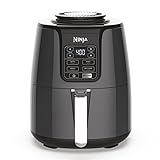
- AIR CRISP TECHNOLOGY: 400℉ superheated air surrounds food for hot, crispy results with little to no oil.
- LARGE CAPACITY: The 5-QT nonstick basket and crisper plate fit up to 4 lbs of French fries or 5 lbs of chicken wings.
- 4-in-1 FUNCTIONALITY: Air Fry, Roast, Reheat, and Dehydrate.

- ALL-IN-ONE SYSTEM: Includes the Ninja Crispi PowerPod, 4-qt and 6-cup CleanCrisp glass containers, and 2 storage lids
- CRISPI POWERPOD: The power of a full-sized air fryer now in the palm of your hand
- SMALL & LARGE BATCH CONTAINERS: 6-cup container cooks a personal sized meal in 7 mins while the 4 QT fits a 4-LB chicken and veggies
- LESS FAT: Now enjoy guilt-free food. Air fry with up to 75% less fat than traditional frying methods. Tested against hand-cut, deep-fried French fries.
- WIDE TEMPERATURE RANGE: 105°F-400°F allows you to gently remove moisture from foods or quickly cook and crisp foods with convection heat.
- FAMILY-SIZED CAPACITY: 4-quart ceramic-coated nonstick basket and crisper plate fit 2 lbs of French fries.

- FAMILY-SIZED COOKING SYSTEM: 6-qt and 2.5-qt glassware, storage lids, crisper plates, and modular base for any occasion.
- POWERFUL COOKING SYSTEM: 1800-watt air fryer that can cook a 7.5-lb chicken, feeding up to 10 people.
- VERSATILE CAPACITY: Modular base adjusts to fit 2.5-qt, 4-qt, and 6-qt CleanCrisp Glassware for everyday or family-sized meals.
Understanding the Science Behind Ninja Air Fryer Lava Cakes
The magic of Ninja Air Fryer lava cakes lies in their dual texture: a fully baked outer layer surrounding a liquid chocolate center. This culinary phenomenon occurs through careful temperature management and precise timing. Traditional oven-baked lava cakes rely on high heat to set the exterior while leaving the center underbaked. The Ninja Air Fryer achieves this same effect through rapid air circulation technology, which creates an even more controlled cooking environment.
The air fryer’s compact cooking chamber and powerful convection system generate consistent heat distribution around each ramekin. This eliminates the hot spots and temperature variations common in conventional ovens. The circulating air creates a crispy, cake-like exterior in minutes while the interior remains gloriously molten. The science is straightforward: the outer portions of the batter reach temperatures above 160°F, causing the eggs and flour to set, while the center remains around 140°F, keeping the chocolate in a liquid state.
Essential Ingredients for Perfect Ninja Air Fryer Lava Cakes
Creating exceptional Ninja Air Fryer lava cakes begins with selecting quality ingredients. The chocolate forms the foundation of both flavor and texture, making it the most critical component. Semi-sweet or bittersweet chocolate with 60-70% cacao content provides the ideal balance of sweetness and intensity. Chocolate chips can work in a pinch, but chopped chocolate bars melt more smoothly and create a silkier center.
Butter serves dual purposes in lava cake recipes. It adds richness to the batter while helping create the proper consistency for the molten center. European-style butter with higher fat content produces even more luxurious results. Eggs provide structure to the cake portion while their yolks contribute to the creamy center. Room temperature eggs incorporate more easily into the batter, creating a smoother mixture.
Sugar balances the chocolate’s bitterness and helps achieve the right texture. Granulated white sugar works perfectly, though some recipes incorporate a small amount of brown sugar for depth. All-purpose flour is used sparingly, just enough to give structure without making the cake dense. Too much flour will result in a traditional cake texture rather than the desired molten center.
Vanilla extract enhances the chocolate flavor without overpowering it. A pinch of salt amplifies all the other flavors, making the chocolate taste richer and more complex. Some recipes include instant espresso powder, which intensifies the chocolate flavor even though it doesn’t make the cakes taste like coffee.
Preparing the Ninja Air Fryer
Proper preparation of the Ninja Air Fryer ensures consistent results and easy cleanup. The first step involves preheating the appliance to 370°F for approximately three minutes. This preheating period allows the cooking chamber to reach an even temperature before the ramekins are placed inside. Some bakers prefer 350°F for a slightly longer cook time, while others use 390°F for faster results. The key is finding the temperature that works best with the specific Ninja model being used.
The air fryer basket requires minimal preparation. Most bakers line it with parchment paper or use a trivet to prevent direct contact between the ramekins and the basket bottom. This prevents potential hot spots and makes removal easier. The ramekins themselves need thorough preparation to ensure the cakes release cleanly. Butter or cooking spray should coat every interior surface, including the rim. A light dusting of cocoa powder or granulated sugar after buttering creates an extra layer of insurance against sticking while adding subtle flavor.
Step-by-Step Preparation Process
The preparation process for air fryer lava cakes follows a logical sequence that builds flavor while maintaining the proper texture. Beginning with chocolate and butter, these ingredients need melting together until completely smooth. This can be accomplished in a microwave using 30-second intervals with stirring between each, or through a double boiler on the stovetop. The mixture should be glossy and uniform without any visible butter streaks.
While the chocolate cools slightly, eggs and sugar combine in a separate bowl. Whisking these together vigorously for about two minutes incorporates air and creates a light, slightly foamy mixture. The eggs should lighten in color and increase slightly in volume. This aeration contributes to the cake’s texture, creating a lighter crumb around the molten center.
The cooled chocolate mixture gets incorporated into the egg mixture gradually. Folding rather than stirring preserves the air bubbles created during whisking. The flour, salt, and any additional flavorings join the batter last, mixed just until no dry streaks remain. Overmixing at this stage can develop the gluten in the flour, resulting in a tougher texture.
Dividing the batter evenly among prepared ramekins ensures uniform cooking. Filling them about three-quarters full leaves room for the cakes to rise slightly during cooking. At this point, the unbaked cakes can either go directly into the preheated air fryer or be refrigerated for later use. Cold batter may require an extra minute or two of cooking time.
Mastering Cooking Times and Temperatures
Cooking time represents the most crucial variable in achieving perfect lava cakes. The Ninja Air Fryer’s efficiency means these desserts cook much faster than traditional oven versions. For most models, 8-10 minutes at 370°F produces ideal results, though individual units may vary slightly. The goal is a set exterior with edges that have pulled away slightly from the ramekin sides, while the center remains soft when gently pressed.
Visual cues help determine doneness better than timers alone. The top should look dry and slightly cracked, similar to a brownie. The edges will appear darker and more set than the center. A toothpick inserted halfway between the edge and center should come out with moist crumbs, not wet batter. If inserted into the very center, it should emerge with liquid chocolate coating it.
Undercooking by even one minute can result in cakes that collapse when inverted, spilling raw batter instead of molten chocolate. Overcooking by the same margin might produce fully baked cakes without any molten center. This narrow window of perfection requires attention and possibly some experimentation with the specific air fryer model being used.
Batch cooking presents special considerations. If making multiple cakes, they should all fit in a single layer without touching. Stacking or overcrowding prevents proper air circulation and leads to uneven cooking. If the air fryer basket cannot accommodate all ramekins at once, cooking in batches maintains quality over quantity.
Flavor Variations and Customizations
The basic lava cake recipe serves as a canvas for countless variations. Dark chocolate versions use chocolate with 70% or higher cacao content for intense, sophisticated flavor. White chocolate lava cakes require slight adjustments to cooking time since white chocolate has a lower melting point than dark varieties. Milk chocolate creates sweeter, more approachable versions that appeal to those who find dark chocolate too intense.
Flavor additions transform basic chocolate cakes into unique creations. Peppermint extract paired with crushed candy canes creates a holiday-themed dessert. Orange zest and a splash of Grand Marnier produce a classic chocolate-orange combination. Cinnamon and cayenne pepper add warmth and subtle heat, while almond extract and amaretto create an Italian-inspired treat.
Filled lava cakes take customization further. A spoonful of Nutella, peanut butter, or caramel placed in the center of the batter before cooking creates a surprise element. The filling melts along with the chocolate, creating layered flavors within the molten center. Cookie butter, dulce de leche, and fruit preserves all work beautifully as hidden centers.
Mix-ins incorporated into the batter itself add texture and flavor complexity. Mini chocolate chips, chopped nuts, or toffee bits provide pleasant textural contrast. Dried cherries or raspberries introduce fruity notes that complement the chocolate. Crushed cookies or brownies create an extra-decadent version with multiple chocolate elements.
Serving Suggestions and Presentations
Presentation elevates lava cakes from simple dessert to memorable experience. The classic approach involves inverting the cake onto a plate immediately after a brief cooling period. Running a thin knife around the ramekin’s edge loosens the cake, and a quick confident flip releases it onto the serving plate. The molten center should flow out when the cake is cut open with a fork or spoon.
Temperature timing matters for serving. Lava cakes need about one minute of cooling after leaving the air fryer. This allows the exterior to set enough for safe handling while keeping the center properly molten. Serving them too quickly risks burns, while waiting too long allows the center to solidify.
Accompaniments enhance both flavor and visual appeal. Vanilla ice cream or whipped cream provides temperature contrast and creamy richness that balances the intense chocolate. Fresh berries add brightness and cut through the dessert’s richness. A dusting of powdered sugar creates visual interest, while a drizzle of raspberry or caramel sauce adds extra decadence.
Plating techniques make these individual desserts feel restaurant-worthy. A swipe of sauce across the plate before placing the cake creates a professional look. A small quenelle of whipped cream positioned beside the cake adds height and elegance. Fresh mint leaves, edible flowers, or chocolate shavings provide finishing touches that show attention to detail.
For casual presentations, serving the cakes directly in their ramekins works perfectly well. This approach maintains the heat longer and creates a rustic, homestyle appeal. Small spoons allow diners to scoop directly from the ramekin, ensuring they get both the molten center and the cakey exterior in each bite.
Troubleshooting Common Issues
Even experienced bakers encounter occasional challenges with air fryer lava cakes. Understanding common problems and their solutions helps achieve consistent success. Cakes that emerge fully baked throughout without molten centers usually result from overcooking. Reducing the temperature by 10-15 degrees or shortening the cooking time by one to two minutes should correct this issue. Using chocolate with higher cacao content can also help, as it has a higher melting point.
Conversely, cakes that collapse or run everywhere when inverted haven’t cooked long enough. The exterior needs sufficient structure to contain the liquid center. Adding an extra minute or two of cooking time resolves this problem. Ensuring the air fryer has fully preheated before adding the ramekins also helps achieve proper exterior setting.
Sticking represents another common frustration. Cakes that refuse to release from their ramekins despite greasing usually need more thorough preparation. Generous buttering followed by a dusting of cocoa powder creates a double barrier against sticking. Allowing the cakes to cool for a full minute before attempting to invert them also helps, as this brief period lets the exterior firm up slightly.
Uneven cooking within a single batch typically indicates overcrowding or poor air circulation. Ensuring adequate space between ramekins allows hot air to circulate freely around each one. If certain positions in the air fryer basket consistently produce different results, rotating the positions of ramekins between batches equalizes the outcomes.
Dry or dense texture suggests too much flour or overmixing. Measuring flour correctly by spooning it into measuring cups rather than scooping directly from the bag prevents excess. Mixing just until ingredients combine prevents gluten development that toughens the texture.
Make-Ahead and Storage Options
Lava cakes offer surprising flexibility for advance preparation. Unbaked batter can be portioned into prepared ramekins, covered tightly with plastic wrap, and refrigerated for up to 24 hours before cooking. This make-ahead approach works wonderfully for dinner parties or special occasions, allowing the host to prepare dessert in advance and simply air fry when ready to serve. Cold batter requires an extra minute or two of cooking time compared to room-temperature batter.
For longer storage, unbaked lava cakes can be frozen for up to one month. Wrapping each ramekin individually in plastic wrap followed by aluminum foil prevents freezer burn and preserves flavor. Frozen cakes can go directly from freezer to air fryer, though they need approximately double the normal cooking time. Alternatively, thawing them overnight in the refrigerator before cooking produces results closer to fresh batter.
Leftover baked lava cakes present more challenges. The molten center solidifies upon cooling, transforming the dessert into something more like a dense chocolate cake. While still delicious, they lose their signature characteristic. Reheating can partially restore the molten center, though results vary. Microwaving for 15-20 seconds at 50% power provides the best chance of re-melting the center without overcooking the exterior. Air frying at 300°F for 2-3 minutes offers another option.
Dietary Adaptations
Creating lava cakes that accommodate various dietary needs requires thoughtful substitutions that maintain the dessert’s essential characteristics. Gluten-free versions work remarkably well since lava cakes use minimal flour to begin with. Replacing all-purpose flour with gluten-free flour blend in equal amounts produces nearly identical results. Almond flour creates a slightly denser, more tender cake with nutty undertones.
Dairy-free adaptations substitute coconut oil or vegan butter for regular butter. Dairy-free chocolate chips or baking chocolate replace standard chocolate. The results closely mirror traditional versions, with coconut oil sometimes adding a subtle tropical note that pairs well with chocolate.
Egg-free lava cakes present more challenges since eggs provide crucial structure and contribute to the molten center. Commercial egg replacers can work, though they may require recipe adjustments. Some bakers use a combination of aquafaba and cornstarch with reasonable success, though the texture differs slightly from egg-based versions.
Sugar-free versions using alternative sweeteners like erythritol or monk fruit sweetener can work, though they may affect the texture and require temperature adjustments. Sugar contributes to browning and texture, so replacing it changes both the appearance and mouthfeel of the final product.
Vegan lava cakes combine multiple substitutions, using plant-based butter, dairy-free chocolate, and egg replacers. While more complex than traditional recipes, they can still produce satisfying results with proper attention to technique and timing.
Nutritional Considerations
Understanding the nutritional profile of lava cakes helps incorporate them thoughtfully into balanced eating patterns. A typical single-serving lava cake contains approximately 350-450 calories, depending on size and specific ingredients used. The dessert is rich in fats from butter and chocolate, with 20-30 grams per serving. Carbohydrates range from 35-45 grams, while protein content remains modest at 5-8 grams per serving.
The air fryer preparation method offers some advantages over traditional approaches. Using the air fryer eliminates any need for additional fats in the cooking process, as conventional oven methods sometimes require. The shorter cooking time may preserve slightly more of chocolate’s beneficial compounds, though the difference is minimal.
Portion control comes naturally with individually portioned lava cakes. Unlike a large cake where serving sizes can vary dramatically, ramekin-based preparation ensures consistent portions. Using smaller 4-ounce ramekins instead of 6-ounce versions reduces calorie content proportionally while still providing a satisfying dessert experience.
Quality chocolate contains flavonoids and antioxidants, particularly varieties with higher cacao percentages. While lava cakes shouldn’t be considered health food, using quality dark chocolate means they provide some beneficial compounds alongside the indulgence. Moderation and mindful enjoyment make these treats part of a balanced approach to eating.
Comparing Air Fryer and Traditional Methods
The differences between air fryer and conventional oven preparation extend beyond cooking time. Traditional oven-baked lava cakes require preheating to 425-450°F and bake for 12-14 minutes. The air fryer accomplishes the same result at a lower temperature in less time, using approximately 30% less energy. The rapid air circulation creates a more consistent cooking environment, reducing the risk of unevenly cooked cakes.
Microwave lava cakes represent the fastest option, cooking in 45-60 seconds. However, they often have a spongier texture and less developed flavor than air-fried or oven-baked versions. The air fryer strikes a balance between microwave speed and oven quality, producing results that rival traditional methods with greater convenience.
Cleanup proves simpler with air fryer preparation. A single small appliance replaces heating an entire oven, keeping the kitchen cooler and reducing overall energy use. The compact size of the air fryer basket makes it easier to clean than full-size oven racks.
The learning curve for air fryer lava cakes is gentler than conventional methods. The smaller cooking chamber means less temperature variation and more forgiving timing. New bakers often achieve success more quickly with air fryer methods than traditional approaches.
Conclusion
Ninja Air Fryer lava cakes demonstrate how modern cooking technology can make sophisticated desserts accessible to home cooks of all skill levels. The combination of quality ingredients, proper technique, and the air fryer’s consistent heat distribution creates restaurant-quality results in minimal time. Understanding the science behind molten centers, mastering temperature and timing, and learning to troubleshoot common issues empowers bakers to produce consistently impressive desserts.
The versatility of the basic recipe allows for endless customization, from simple flavor variations to dietary adaptations. Whether preparing a special dessert for guests or treating oneself to a weeknight indulgence, air fryer lava cakes deliver maximum impact with reasonable effort. The make-ahead capabilities add practical convenience to culinary appeal, making these desserts as functional as they are delicious.
As comfort with the technique grows, experimentation becomes increasingly rewarding. Each batch provides opportunities to refine timing, explore new flavor combinations, and develop personal preferences. The Ninja Air Fryer transforms lava cake preparation from a daunting restaurant specialty into an achievable home kitchen victory, proving that impressive desserts don’t require professional equipment or training—just quality ingredients, attention to detail, and the right cooking method.
Frequently Asked Questions
Can lava cakes be made without ramekins in the Ninja Air Fryer?
While ramekins are traditional, other oven-safe vessels can work for lava cakes in the air fryer. Silicone muffin cups, small metal bowls, or even oven-safe mugs can substitute successfully. The key is ensuring the container can withstand 370°F temperatures and has sufficient capacity for the batter to rise. Metal containers may conduct heat more quickly than ceramic ramekins, potentially requiring slight adjustments to cooking time. Whatever vessel is chosen, it must be thoroughly greased to ensure the cake releases cleanly when inverted. The container size affects cooking time, with smaller vessels cooking faster and larger ones requiring additional time.
Why did the molten center solidify before serving?
Several factors can cause premature solidification of the molten center. Waiting too long after cooking is the most common culprit, as the residual heat continues cooking the center even after removal from the air fryer. Lava cakes should be served within 2-3 minutes of coming out of the air fryer for optimal molten consistency. Overcooking also eliminates the liquid center entirely, turning the dessert into a regular chocolate cake. Using chocolate with too low a cacao percentage may result in a center that solidifies more quickly. Finally, ambient room temperature affects how quickly the cakes cool—colder environments accelerate the solidification process.
How can cooking time be adjusted for different Ninja Air Fryer models?
Different Ninja Air Fryer models have varying wattages and cavity sizes, which affect cooking times. Models with higher wattage cook faster and may require 1-2 minutes less time than standard recipes suggest. Larger capacity models with more airflow might cook more evenly but potentially faster as well. The best approach is treating published cooking times as starting points rather than absolute rules. For a new model, begin checking the cakes a minute before the suggested time, then check every 30 seconds until achieving the desired consistency. Keeping notes about what works for a specific model creates a reliable reference for future batches. Visual cues like set edges and a dry-looking top provide more reliable indicators than time alone.
What causes the cakes to sink in the middle after cooking?
Sinking centers typically indicate underbaking. While a slight depression is normal as the cakes cool, significant sinking suggests the structure hasn’t set enough to support itself. This happens when cakes are removed from the air fryer too early. The solution is adding one to two minutes to the cooking time. Conversely, if the cakes develop a domed top that then sinks, the batter may have too much leavening or been overmixed, creating excess air bubbles that collapse as the cake cools. Ensuring the air fryer has fully preheated before adding the ramekins helps establish proper structure from the start. Opening the air fryer repeatedly during cooking can cause temperature fluctuations that lead to sinking as well.
Can the batter be cooked in one large pan instead of individual ramekins?
Cooking lava cake batter as a single large cake in the air fryer is theoretically possible but presents significant challenges. The timing becomes much more difficult to manage since the thicker batter requires longer cooking, increasing the risk of fully setting the center before the edges burn. A large cake also requires an oven-safe pan that fits within the air fryer basket with adequate clearance for air circulation. Most importantly, the signature characteristic of lava cakes—that dramatic moment when the molten center flows out—is less effective with a large cake since cutting portions means some pieces will have more liquid center than others. If attempting this approach, expect to experiment significantly with timing and temperature, likely using a lower temperature around 330-340°F for an extended period of 15-20 minutes.
Last update on 2026-02-18 / Affiliate links / Images from Amazon Product Advertising API
*We may earn a commission for purchases made using our links. Please see our disclosure to learn more.