Roasted Tomato Basil Soup in a Ninja Blender

The aroma of roasted tomatoes mingling with fresh basil creates one of the most comforting scents in any kitchen. When combined with the power and efficiency of a Ninja blender, this classic soup transforms from a labor-intensive recipe into an accessible weeknight dinner option. The Ninja blender’s unique blade system and powerful motor make it particularly well-suited for creating silky-smooth soups with restaurant-quality texture, all while saving time and reducing cleanup.
Roasted tomato basil soup has long been a beloved comfort food, appreciated for its rich flavor profile and versatility. Whether served as a starter for an elegant dinner party or paired with a grilled cheese sandwich for a cozy lunch, this soup delivers satisfaction in every spoonful. The Ninja blender elevates the traditional preparation method by streamlining the process without compromising on taste or texture.
“The key to an exceptional tomato soup lies in the quality of the tomatoes and the depth of flavor achieved through roasting. A high-powered blender transforms these simple ingredients into something truly memorable.”
— Chef’s Kitchen Magazine
Key Takeaways
- The Ninja blender’s powerful motor and stacked blade design create exceptionally smooth, velvety soup texture
- Roasting tomatoes before blending intensifies their natural sweetness and adds depth of flavor
- This soup can be prepared in under 45 minutes from start to finish
- The recipe is highly customizable with various herbs, cream alternatives, and seasoning options
- Ninja blenders eliminate the need for transferring hot liquids between multiple containers
- The soup freezes well, making it perfect for meal prep and batch cooking

- ALL-IN-ONE KITCHEN SYSTEM: Blend, chop, crush and more in this powerhouse blender and food processor combo.
- POWERFUL MOTOR:1500-watt motor base to crush ice, blend frozen fruit, and power through tough ingredients with the 2-horsepower motor, designed for professional results.
- BLENDING TECHNOLOGY: The XL 72-oz.* pitcher, ideal for large batches and entertaining, features Total Crushing Blades that crush ice to snow in seconds and powers through tough ingredients. *64-oz. max liquid capacity.
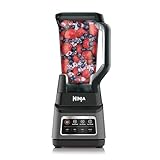
- INCREASED MOTOR POWER: The Ninja Professional Plus features a new modern design and a more powerful motor than Ninja’s original Professional Blender (1400W vs 1000W of BL610)
- POWERFUL ICE CRUSHING: Total Crushing blades give you perfectly crushed ice for smoothies and frozen drinks with peak professional power
- POWERFUL ICE CRUSHING: Total Crushing blades give you perfectly crushed ice for smoothies and frozen drinks with peak professional power
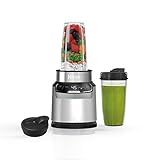
- POWERFUL BLENDING PERFORMANCE: 1100-peak-watt motor powers through the toughest ingredients and pulverizes ice to snow in seconds for creamy frozen drinks, smoothies, sauces, and more
- AUTO-IQ ONE-TOUCH PRESETS: 2 Auto-iQ preset programs combine unique timed pulsing, blending, and pausing patterns for one-touch smoothies and crushed ice without guesswork
- NUTRIENT EXTRACTION: Pro Extractor Blades Assembly unlocks hidden nutrition by breaking down whole fruits and veggies, including portions usually discarded, for vitamin- and nutrient-rich drinks

- 1000W PROFESSIONAL POWER: Effortlessly powers through tough ingredients like ice and frozen fruit for smooth, consistent results every time
- POWERFUL ICE CRUSHING: Total Crushing technology blasts through ice and frozen ingredients with ease, turning ice to snow in seconds
- FAMILY-SIZE PITCHER: Great for making large batches for the whole family or for entertaining, with 64-oz. max liquid capacity clearly marked
Understanding the Ninja Blender Advantage
The Ninja blender has established itself as a kitchen workhorse, particularly excelling at tasks that require both power and precision. Unlike traditional blenders, Ninja models feature a distinctive stacked blade configuration that processes ingredients at multiple levels simultaneously. This design proves especially beneficial when making soup, as it ensures even blending without leaving chunks or creating an uneven texture.
The motor power in most Ninja blenders ranges from 1000 to 1500 watts, providing sufficient strength to pulverize roasted vegetables, tough tomato skins, and fibrous herbs into a completely smooth consistency. This eliminates the need for straining the soup through a fine-mesh sieve, a step that many traditional recipes require. The time saved in preparation and cleanup makes the Ninja blender an invaluable tool for home cooks who want restaurant-quality results without the professional kitchen equipment.
Another significant advantage lies in the blender’s capacity. Most Ninja models can handle 64 to 72 ounces of liquid, allowing cooks to prepare large batches of soup in a single blend. This capability makes meal prepping efficient and practical, especially for families or those who enjoy having ready-made meals on hand.
The Science Behind Roasting Tomatoes
Roasting tomatoes fundamentally changes their chemical composition and flavor profile through a process called the Maillard reaction. When tomatoes are exposed to high heat, their natural sugars caramelize while excess moisture evaporates, concentrating the flavor and creating complex, savory notes that raw tomatoes simply cannot provide. This transformation is what separates an ordinary tomato soup from an extraordinary one.
The roasting process also breaks down the cell walls of the tomatoes, making them softer and easier to blend. This physical change means the Ninja blender requires less processing time to achieve a smooth consistency, which in turn preserves more of the soup’s nutritional content. Vitamins and antioxidants, particularly lycopene, remain more intact when ingredients spend less time being processed at high speeds.
Different varieties of tomatoes respond to roasting in unique ways. Roma tomatoes, with their lower moisture content and meatier texture, concentrate beautifully and create a thicker soup base. Heirloom varieties offer complex flavor profiles with subtle sweetness and acidity. Even standard vine-ripened tomatoes from the grocery store develop impressive depth when roasted properly, making this recipe accessible regardless of the season or what’s available at local markets.
Essential Ingredients and Preparation
Creating an exceptional roasted tomato basil soup requires selecting quality ingredients and preparing them thoughtfully. The foundation begins with tomatoes that are ripe but still firm enough to hold their shape during roasting. Approximately three pounds of tomatoes will yield a generous pot of soup serving six to eight people.
Fresh basil is non-negotiable for achieving the authentic flavor profile this soup demands. While dried basil can be used in a pinch, fresh leaves provide bright, aromatic notes that dried herbs cannot replicate. A full cup of loosely packed basil leaves ensures the herb’s presence is pronounced without overwhelming the tomato base.
Additional aromatics play supporting roles but are equally important. One large onion, quartered and roasted alongside the tomatoes, adds sweetness and depth. Four to six cloves of garlic, left unpeeled during roasting and then squeezed from their skins, contribute a mellow, nutty flavor without the harsh bite of raw garlic. Extra virgin olive oil coats the vegetables before roasting, facilitating caramelization while adding richness to the final soup.
Vegetable or chicken broth provides the liquid base, with approximately four cups needed to achieve the ideal consistency. The choice between vegetable and chicken broth depends on dietary preferences and desired flavor intensity. Vegetable broth keeps the soup vegetarian while chicken broth adds a subtle savory backbone.
Heavy cream or half-and-half creates the signature velvety texture and balances the acidity of the tomatoes. Those seeking lighter alternatives can substitute coconut milk, cashew cream, or even additional broth, though the texture will be less luxurious. Salt, black pepper, and a pinch of red pepper flakes round out the seasoning profile.
Step-by-Step Roasting Process
Proper roasting technique makes the difference between good soup and great soup. Begin by preheating the oven to 425°F, a temperature high enough to caramelize the vegetables without burning them. Line a large baking sheet with parchment paper or aluminum foil for easy cleanup.
Cut the tomatoes in half lengthwise, exposing their interior flesh to the heat. Arrange them cut-side up on the prepared baking sheet, allowing space between each piece for air circulation. Nestle the quartered onion and whole garlic cloves among the tomatoes. Drizzle everything generously with olive oil, using approximately three to four tablespoons, then season with salt and pepper.
The roasting process takes 35 to 45 minutes, depending on the tomatoes’ size and the oven’s specific characteristics. The vegetables are ready when the tomatoes have collapsed slightly, their edges have darkened and caramelized, and the onions have softened completely. The garlic cloves should feel soft when gently pressed. Some charring on the vegetables is desirable, as it adds complexity to the soup’s flavor.
Allow the roasted vegetables to cool for five to ten minutes before transferring them to the Ninja blender. This brief cooling period prevents steam buildup inside the blender, which could create pressure and cause the lid to pop off during blending. It also makes handling the vegetables safer and more comfortable.
Blending Technique for Perfect Texture
The blending process requires attention to detail and proper technique to achieve professional results. Begin by adding the roasted tomatoes, onions, and peeled garlic cloves to the Ninja blender pitcher. Pour in two cups of broth initially, reserving the remaining broth for adjusting consistency later. Add the fresh basil leaves, tearing any particularly large leaves to help them blend more easily.
Secure the lid firmly and start the Ninja blender on its lowest setting, gradually increasing to high speed. Most Ninja models have a soup setting or a high-speed blend function that works perfectly for this application. Blend for 45 to 60 seconds, or until the mixture appears completely smooth with no visible chunks or pieces of tomato skin.
The soup will be thick at this stage. With the blender running on low speed, slowly pour in the remaining broth through the lid’s pour spout until the desired consistency is achieved. Some prefer a thicker, almost bisque-like texture, while others enjoy a thinner, more pourable soup. The beauty of making soup in a blender is the ability to control this aspect precisely.
Once the consistency is right, add the cream through the pour spout while the blender runs on low speed. This method incorporates the cream evenly throughout the soup without creating separation or curdling. Blend for an additional ten to fifteen seconds to fully integrate the cream.
Heating and Finishing the Soup
After blending, the soup requires gentle heating to bring it to the proper serving temperature. Transfer the blended soup to a large pot or Dutch oven and place it over medium heat. Stir frequently to prevent scorching on the bottom of the pot, which can happen quickly with pureed soups due to their density.
Heat the soup until it reaches a gentle simmer, with small bubbles breaking the surface around the edges. This typically takes eight to twelve minutes. Avoid bringing the soup to a rolling boil, as high heat can cause the cream to separate and create an undesirable texture. The gentle simmer also allows the flavors to meld together harmoniously.
Taste the soup at this stage and adjust the seasoning as needed. Additional salt brightens the flavors, while black pepper adds subtle heat. A pinch of sugar can balance excessive acidity if the tomatoes were particularly tart. Some cooks enjoy adding a splash of balsamic vinegar for depth or a squeeze of fresh lemon juice for brightness.
For those who prefer an ultra-smooth texture, this is the moment to pass the soup through a fine-mesh strainer, though the Ninja blender typically renders this step unnecessary. The soup can be kept warm over low heat until ready to serve, stirring occasionally to prevent a skin from forming on the surface.
Serving Suggestions and Garnishes
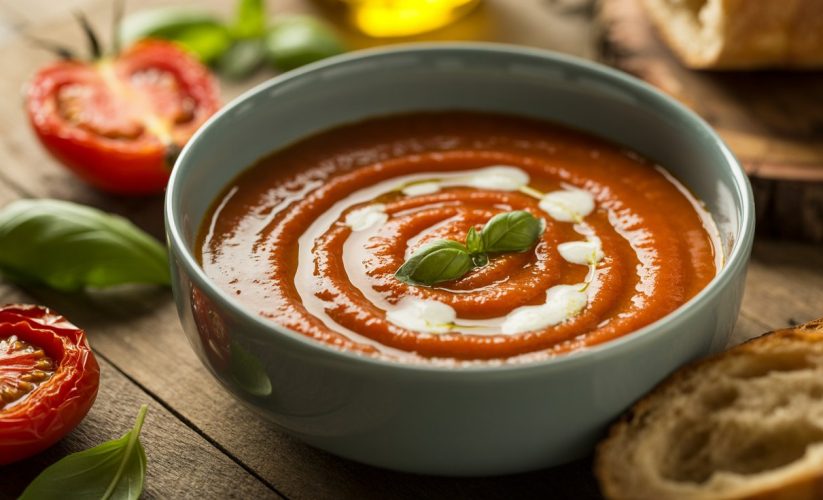
Presentation elevates this simple soup into something special. Ladle the hot soup into warmed bowls, filling them about three-quarters full. A drizzle of high-quality olive oil or heavy cream swirled on the surface adds visual appeal and an extra layer of richness. Fresh basil leaves, either torn or left whole, provide a pop of color and reinforce the herb’s flavor.
Croutons made from crusty bread offer textural contrast to the smooth soup. Homemade croutons take minimal effort—simply cube day-old bread, toss with olive oil and salt, and toast in a 375°F oven until golden and crispy. Store-bought croutons work equally well for those short on time.
Grated Parmesan cheese sprinkled over the top adds a salty, umami element that complements the sweet tomatoes beautifully. Freshly grated cheese melts slightly from the soup’s heat, creating creamy pockets throughout each spoonful. Other cheese options include shaved pecorino romano or crumbled goat cheese for those who enjoy tangier flavors.
The classic pairing of tomato soup with grilled cheese sandwiches remains popular for good reason. The crispy, buttery bread and melted cheese provide the perfect counterpoint to the smooth, acidic soup. Other accompaniments include crusty baguette slices, focaccia, or garlic bread.
Customization and Variations
The basic roasted tomato basil soup recipe serves as a canvas for countless variations. Adding roasted red bell peppers to the vegetable mixture before blending creates a sweeter, more complex flavor profile. The peppers also contribute a beautiful deep orange color that makes the soup visually striking.
For those who enjoy heat, fresh jalapeños or serrano peppers can be roasted alongside the tomatoes. One or two peppers provide gentle warmth, while more adventurous palates can increase the quantity. Remove the seeds before roasting to control the heat level, or leave them in for maximum spiciness.
Smoky variations incorporate chipotle peppers in adobo sauce or smoked paprika. Just half a chipotle pepper transforms the soup into something entirely different, with deep, smoky undertones that pair especially well with grilled meats or sharp cheeses. Smoked paprika offers smoke flavor without additional heat, making it suitable for those who prefer milder dishes.
Herbs beyond basil can be experimented with, either replacing or complementing it. Fresh oregano adds an Italian flair, while thyme contributes earthy notes. Tarragon creates a more French-inspired soup with its distinctive anise-like flavor. Combinations of herbs often work better than single additions, with classic pairings like basil and oregano or thyme and rosemary producing harmonious results.
Vegan versions substitute coconut milk, cashew cream, or blended silken tofu for the dairy cream. Coconut milk provides richness without overwhelming the tomato flavor, especially if using the full-fat variety. Cashew cream, made by blending soaked raw cashews with water, creates an incredibly smooth, neutral-tasting base that mimics dairy cream remarkably well.
Storage and Meal Prep Benefits
One of the most practical aspects of this soup is its excellent storage properties. Properly stored in airtight containers, the soup keeps in the refrigerator for five to seven days. This longevity makes it ideal for meal prepping on Sunday for the week ahead or making a double batch to have on hand for quick meals.
Freezing extends the soup’s life significantly. Pour cooled soup into freezer-safe containers, leaving about an inch of headspace to allow for expansion during freezing. Flat freezer bags work particularly well, as they stack efficiently and thaw quickly. The soup maintains its quality in the freezer for up to three months.
When reheating refrigerated soup, warm it gently in a pot over medium-low heat, stirring frequently. Adding a splash of broth or cream during reheating helps restore the original consistency, as the soup may thicken during storage. Microwave reheating works for individual portions, using medium power in one-minute intervals with stirring in between.
Frozen soup should be thawed in the refrigerator overnight for best results. Once thawed, reheat following the same method as refrigerated soup. While the soup can be reheated from frozen, this method requires more time and careful attention to prevent scorching.
Nutritional Considerations
Roasted tomato basil soup offers considerable nutritional benefits, particularly when prepared with whole food ingredients and minimal processing. Tomatoes are rich in lycopene, a powerful antioxidant that has been linked to reduced risk of certain diseases. The roasting process actually increases the bioavailability of lycopene, making it easier for the body to absorb.
The soup provides a good source of vitamins C and K, potassium, and folate, all naturally occurring in tomatoes. Fresh basil contributes vitamins A and K, along with various antioxidants and anti-inflammatory compounds. The olive oil used in roasting adds heart-healthy monounsaturated fats.
Calorie content varies significantly based on the amount of cream added. A serving with heavy cream contains approximately 200 to 250 calories, while versions made with broth only drop to around 80 to 100 calories per serving. Those monitoring calorie intake can adjust the cream quantity or eliminate it entirely without sacrificing too much flavor or satisfaction.
The soup is naturally low in protein, typically providing only three to five grams per serving. Pairing it with protein-rich sides like grilled chicken, white beans stirred into the soup, or a cheese-rich grilled sandwich creates a more balanced meal. The addition of white beans also increases fiber content significantly.
Troubleshooting Common Issues
Even with straightforward recipes, challenges can arise. Soup that tastes too acidic indicates that the tomatoes’ natural acidity hasn’t been sufficiently balanced. Adding a teaspoon of sugar or honey neutralizes excess acidity without making the soup taste sweet. Baking soda, while effective, should be used sparingly as too much creates a soapy taste.
Thin, watery soup results from too much liquid or insufficiently roasted tomatoes. Simmering the soup uncovered for fifteen to twenty minutes evaporates excess liquid and concentrates flavors. Alternatively, blending in a handful of cashews creates natural thickening while adding nutritional value.
Grainy or gritty texture, though rare with a Ninja blender, indicates insufficient blending time or the presence of tomato seeds that weren’t fully broken down. Running the blender for an additional thirty seconds on high speed usually resolves this issue. If grittiness persists, passing the soup through a fine-mesh strainer removes any remaining particles.
Separated or curdled cream occurs when dairy is added to soup that’s too hot or when the soup is brought to a rolling boil after adding cream. Prevention involves adding cream to soup that’s warm but not boiling, then heating gently without boiling. If separation occurs, vigorous whisking or a quick blend sometimes re-emulsifies the soup, though the texture may remain slightly affected.
Bland soup lacking depth typically needs more salt, which enhances all other flavors present. Adding salt gradually while tasting prevents over-salting. Beyond salt, a splash of balsamic vinegar, a squeeze of lemon juice, or a sprinkle of parmesan cheese can awaken dormant flavors and create a more dynamic taste experience.
Seasonal Adaptations
While this soup shines brightest during late summer when tomatoes reach peak ripeness, adaptations make it accessible year-round. During winter months, high-quality canned tomatoes actually produce better results than out-of-season fresh tomatoes. San Marzano tomatoes, whether imported Italian or domestic versions, offer concentrated flavor and ideal texture for soup making.
When using canned tomatoes, drain them and arrange on a baking sheet as you would fresh tomatoes, then roast at the same temperature. The roasting time reduces to twenty to thirty minutes since canned tomatoes contain less moisture. The resulting flavor remains rich and complex, though slightly different from the fresh tomato version.
Summer variations might incorporate additional seasonal vegetables like zucchini or yellow squash, roasted alongside the tomatoes. These vegetables add bulk and nutrition without overwhelming the tomato base. Fresh corn kernels stirred into the finished soup provide sweetness and textural interest.
Fall adaptations could include roasted butternut squash or sweet potato, creating a more substantial, winter-ready soup. These additions shift the flavor profile toward earthiness while maintaining the tomato base. Warming spices like cinnamon or nutmeg, used judiciously, complement the sweet vegetables beautifully.
Conclusion
Creating roasted tomato basil soup in a Ninja blender combines traditional cooking techniques with modern convenience. The powerful blender transforms roasted vegetables into silky-smooth soup in minutes, while the roasting process itself develops complex flavors impossible to achieve through other cooking methods. This approach respects the integrity of simple, quality ingredients while acknowledging the realities of busy modern life.
The versatility of this recipe makes it valuable for cooks of all skill levels. Beginners appreciate its straightforward technique and forgiving nature, while experienced cooks enjoy the opportunity for creative customization. Whether served as an elegant first course or a comforting weeknight dinner, this soup delivers satisfaction through its perfect balance of sweetness, acidity, and richness.
The marriage of roasting and high-powered blending produces results that rival professional kitchens without requiring specialized equipment beyond the Ninja blender itself. This democratization of restaurant-quality cooking empowers home cooks to create impressive dishes with confidence. The soup’s excellent storage properties and nutritional benefits add practical value to its considerable taste appeal.
Frequently Asked Questions
Can the soup be made without roasting the tomatoes first?
Yes, the soup can be prepared with raw tomatoes, though the flavor will be noticeably different and less complex. Raw tomatoes create a brighter, more acidic soup that lacks the depth and sweetness roasting provides. If time is limited, sautéing the tomatoes in a pot with olive oil for fifteen to twenty minutes until they break down partially can provide some of the concentrated flavor roasting achieves. However, the caramelization and Maillard reaction that occur during high-heat roasting cannot be fully replicated through stovetop cooking alone.
What other Ninja blender models work well for making soup?
Most Ninja blender models handle soup preparation effectively, though some excel more than others. The Ninja Professional Blender, Ninja Mega Kitchen System, and Ninja Foodi Power Blender all possess sufficient power and capacity for soup making. Models with at least 1000 watts of power and a 64-ounce capacity work best. The key features to look for include multiple speed settings for control, a secure lid that can handle hot liquids, and the characteristic stacked blade design that ensures thorough blending.
How can the soup’s consistency be adjusted after it has been refrigerated?
Refrigerated soup typically thickens as it cools, with the starches from the tomatoes and any added cream creating a denser texture. When reheating, add vegetable broth, chicken broth, or even water in small increments until reaching the desired consistency. Start with a quarter cup of liquid, stir well, and assess before adding more. For soup that’s too thin after storage, simmering it uncovered for ten to fifteen minutes allows excess moisture to evaporate naturally. Alternatively, blending in a small amount of tomato paste thickens the soup while intensifying the tomato flavor.
Is it safe to blend hot ingredients in a Ninja blender?
Ninja blenders can handle warm to hot ingredients safely when proper precautions are followed. Allow roasted vegetables to cool for five to ten minutes before blending to reduce steam buildup. Start blending on the lowest speed setting and gradually increase to higher speeds, which prevents sudden pressure changes inside the pitcher. Never fill the blender more than two-thirds full when working with hot liquids, as the contents expand when blended. Holding a kitchen towel over the lid during blending provides extra security. Some Ninja models include vented lids specifically designed for hot blending.
What substitutions work for people with dietary restrictions?
The soup accommodates numerous dietary restrictions with simple substitutions. For dairy-free or vegan versions, replace heavy cream with full-fat coconut milk, cashew cream made from blended soaked cashews, or commercial plant-based creams. Oat milk and almond milk work but create thinner, less rich results. For low-fat versions, substitute additional broth for the cream entirely, or use a small amount of Greek yogurt stirred in just before serving. Those avoiding nightshade vegetables can create a similar soup using roasted carrots and butternut squash with the same technique, though this creates an entirely different flavor profile rather than a true substitution.
Last update on 2026-10-24 / Affiliate links / Images from Amazon Product Advertising API
*We may earn a commission for purchases made using our links. Please see our disclosure to learn more.