Air-Fryer Buttermilk Fried Chicken

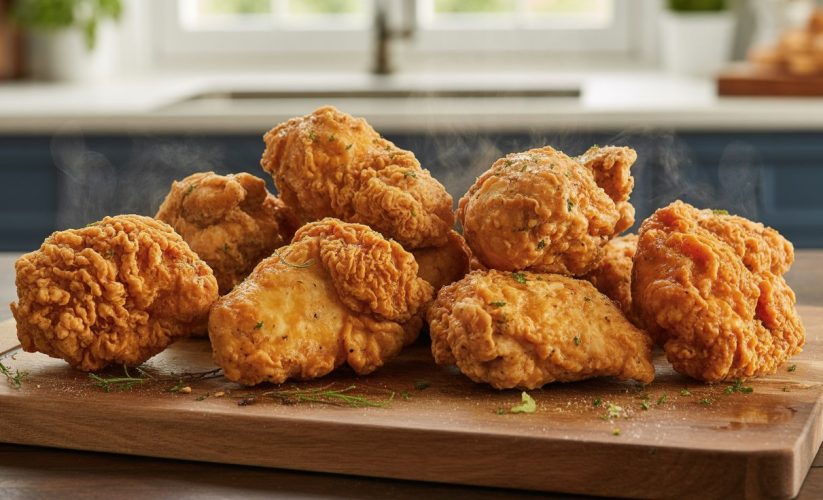
Air frying has revolutionized home cooking by offering a healthier alternative to traditional deep-frying methods without sacrificing flavor or texture. Among the many dishes that have benefited from this innovation, buttermilk fried chicken stands out as a favorite that translates remarkably well to the air fryer. The Ninja air fryer, in particular, has become a go-to appliance for achieving that perfect golden-brown crispiness with minimal oil while maintaining juicy, tender meat inside.
“There’s nothing like a classic crispy fried chicken sandwich. This recipe will give you juicy and crispy chicken that will wow your friends and family!”
– Ninja Test Kitchen
Key Takeaways
- Air frying buttermilk chicken reduces fat content by up to 75% compared to traditional deep-frying methods
- The buttermilk marinade tenderizes the chicken while helping the coating adhere properly
- Cooking time ranges from 18-25 minutes depending on chicken piece size and air fryer model
- Proper coating technique and oil spray application are essential for achieving maximum crispiness
- Most Ninja air fryer models can accommodate 3-9 pounds of chicken, perfect for family meals

- MAX CRISP TECHNOLOGY: Delivers up to 450°F of superheated air for faster, hotter, and extra-crispy results using little to no oil—perfect for fries, wings, and more. Achieve that golden crunch with rapid air circulation.
- 6-IN-1 COOKING FUNCTIONS: Includes Max Crisp, Air Fry, Air Roast, Bake, Reheat, and Dehydrate a complete countertop solution for healthier, oil-free meals.
- XL CAPACITY AIR FRYER: The 6.5-quart nonstick basket and crisper plate hold up to 5 lbs. of French fries or 9 lbs. of chicken wings ideal for family meals, game day, and meal prepping.
The Science Behind Air-Fried Buttermilk Chicken
The magic of air-fried buttermilk chicken lies in the combination of traditional Southern techniques with modern cooking technology. Buttermilk has been used for generations as a marinade because its lactic acid breaks down proteins in the chicken, resulting in exceptionally tender meat. The slightly acidic nature also creates an ideal surface for the flour coating to grip, ensuring that crispy crust stays attached during cooking.
When combined with the rapid air circulation technology in Ninja air fryers, the buttermilk-marinated chicken develops a golden, crunchy exterior while the interior remains moist and flavorful. The superheated air, reaching temperatures between 375°F and 450°F depending on the model, creates a convection effect that mimics deep-frying but uses only a fraction of the oil.
Essential Ingredients and Preparation
Creating perfect air-fried buttermilk chicken requires attention to both the marinade and the coating. The marinade typically consists of buttermilk combined with hot sauce, which adds both flavor and additional tenderizing power. For those without buttermilk on hand, a simple substitute can be made by combining whole milk with lemon juice or white vinegar and letting it sit for five to ten minutes until it thickens and curdles.
The coating mixture deserves equal attention. A combination of all-purpose or self-rising flour forms the base, enhanced with a carefully balanced blend of spices. Common additions include paprika for color and mild sweetness, garlic powder and onion powder for savory depth, cayenne pepper for heat, and salt and black pepper for overall seasoning. Some recipes incorporate cornstarch or breadcrumbs to create additional texture and crispiness.
The three-step breading process remains crucial regardless of cooking method. First, the marinated chicken gets dredged in seasoned flour. Some cooks add a tablespoon or two of the buttermilk marinade directly into the dry ingredients, creating craggy bits that result in extra-crispy patches on the finished chicken. This technique, borrowed from traditional Southern cooking, translates beautifully to air frying.
Marination Time and Its Impact
While some recipes suggest a minimum marination time of 30 minutes to one hour, longer soaking periods yield superior results. Marinating the chicken for anywhere from four hours to overnight allows the buttermilk to work its tenderizing magic more thoroughly. The acid continues to break down tough protein fibers, while the chicken absorbs the flavors from the hot sauce and any additional seasonings in the marinade.
During this extended marination, the buttermilk penetrates deeper into the meat, ensuring juiciness throughout the cooking process. This extended moisture retention proves particularly valuable in air frying, where the intense circulating heat can sometimes dry out proteins if they’re not properly prepared.
Mastering the Air Frying Technique
Success with air-fried buttermilk chicken depends heavily on proper technique. After coating the chicken pieces, they should rest for approximately ten minutes before cooking. This resting period allows the coating to set and adhere more firmly to the meat, reducing the likelihood of it falling off during the cooking process.
Preheating the air fryer is another critical step that many home cooks overlook. Most Ninja models benefit from a three to five-minute preheat at the target cooking temperature, typically 375°F to 390°F for chicken. This ensures that the chicken begins cooking immediately upon placement in the basket, helping to seal in moisture and promote even browning.
Coating the breaded chicken with cooking oil spray just before air frying makes a dramatic difference in the final result. While air frying requires significantly less oil than deep-frying, a light coating is still necessary to achieve that signature golden-brown color and crispy texture. Use a spray bottle filled with a high-smoke-point oil like avocado, peanut, or sunflower oil, applying it liberally to all exposed surfaces of the coating.
Avoid overcrowding the air fryer basket, as proper air circulation is essential for even cooking and crisping. Chicken pieces should be arranged in a single layer with space between them. For larger batches, cooking in multiple rounds produces better results than cramming everything into one basket. The DualZone models excel here, allowing simultaneous cooking of two batches with independent temperature controls.
Timing and Temperature Guidelines
Cooking times vary based on the size and type of chicken pieces being prepared. Boneless, skinless chicken breasts or thighs typically require 15 to 18 minutes at 375°F to 390°F. Bone-in, skin-on pieces need longer cooking times, generally 20 to 25 minutes, with drumsticks and wings at the lower end of this range and larger thighs potentially requiring the full 25 minutes.
Flipping the chicken pieces halfway through the cooking time ensures even browning on all sides. Some cooks prefer to open the air fryer and flip each piece individually, while others simply shake the basket. Individual flipping tends to preserve the coating better, though both methods work when done carefully.
Internal temperature provides the most reliable indicator of doneness. Chicken should reach an internal temperature of 165°F as measured with an instant-read thermometer inserted into the thickest part of the meat, avoiding contact with bone. The Ninja DZ550 model’s integrated Smart Cook Thermometer eliminates guesswork by monitoring temperature automatically and alerting when the chicken reaches perfect doneness.
Achieving Maximum Crispiness
Several factors contribute to the ultimate crispy coating that makes buttermilk fried chicken so irresistible. The type of flour used affects texture, with some cooks swearing by all-purpose flour while others prefer self-rising flour for its built-in leavening agents that create a slightly lighter, more delicate crust.
Adding cornstarch to the flour mixture, typically in a ratio of three to four parts flour to one part cornstarch, enhances crispiness. The cornstarch absorbs moisture more effectively than flour alone and creates an extra-crunchy texture when exposed to high heat.
Oil application technique also impacts the final result. Rather than using low-calorie cooking sprays, which often contain water and propellants that can interfere with browning, opt for pure oil in a spray bottle or mister. Apply the oil generously in a sweeping motion to ensure complete coverage of all the nooks and crannies in the coating.
Some recipes suggest a double-dip method for an even thicker, crunchier coating. After the initial flour-buttermilk-flour dredging, the chicken can be dipped again in buttermilk and flour. While this creates an impressive crust, it also extends cooking time and requires extra vigilance to prevent burning.
Customizing Flavors and Spice Levels
The beauty of making buttermilk fried chicken at home lies in the ability to customize flavors to personal preferences. The basic spice blend can be adjusted in countless ways. Those who enjoy Cajun flavors might increase the cayenne and add dried thyme and oregano to the flour mixture. Fans of smoky notes can incorporate smoked paprika or chipotle powder.
The buttermilk marinade also offers opportunities for flavor development. Hot sauce varieties provide different flavor profiles, from the vinegary tang of Frank’s RedHot to the more complex heat of Louisiana-style hot sauces. Pickle juice has become a popular addition, contributing both acidity and a distinctive briny flavor that some find addictive.
For those seeking to replicate specific restaurant-style chicken, adjustments to the spice ratios can get remarkably close to favorite commercial versions. The coating can be seasoned more heavily or lightly depending on preference, though it’s worth remembering that the chicken itself also absorbs flavor from the marinade, so the coating need not carry all the seasoning burden.
Healthier Fried Chicken Without Compromise
One of the primary advantages of air-frying buttermilk chicken centers on its health benefits compared to traditional deep-frying. Studies comparing air-fried foods to their deep-fried counterparts show fat reduction of up to 75%, a significant difference that allows for more frequent enjoyment of this beloved comfort food.
The reduction in oil consumption translates directly to lower calorie counts per serving. A typical serving of deep-fried chicken might contain 400-500 calories, with much of that coming from absorbed cooking oil. Air-fried versions typically range from 250-350 calories per serving, depending on the size of the piece and the amount of coating.
Beyond calorie reduction, air frying eliminates concerns about managing large quantities of hot oil, the associated safety risks, and the environmental impact of oil disposal. The reduced mess and simpler cleanup process also make air-fried chicken a more practical option for weeknight meals rather than relegating it to special occasions only.
For those seeking even lighter options, several modifications can reduce calories further without significantly impacting taste or texture. Using skinless chicken cuts immediately decreases fat content, though bone-in pieces tend to remain juicier during cooking. Boneless, skinless chicken breasts represent the leanest option, though they require careful monitoring to prevent overcooking and drying out.
Reducing the amount of coating or using whole wheat flour instead of all-purpose flour adds nutritional value while slightly altering texture. Some health-conscious cooks experiment with almond flour or other alternative flours, though these substitutions change the traditional flavor profile considerably.
Troubleshooting Common Issues
Even experienced cooks encounter challenges when first adapting to air fryer cooking. One frequent complaint involves coating that doesn’t crisp properly or appears to still look flour-like after cooking. This usually indicates insufficient oil spray application. The coating needs enough oil to brown and crisp; without it, the flour simply dries out rather than developing that desirable golden crust.
Conversely, coating that falls off during cooking often stems from inadequate resting time after breading or from overcrowding the basket. Allowing the breaded chicken to rest for ten minutes before cooking helps the coating set, while proper spacing in the basket prevents pieces from knocking against each other and dislodging the crust.
Dry chicken indicates overcooking, a problem that’s easier to avoid by using a meat thermometer rather than relying solely on timing. Different air fryer models vary slightly in their heating efficiency, and chicken pieces vary in size, making temperature monitoring more reliable than time-based cooking.
Uneven cooking or browning suggests the need for better piece placement or more attentive flipping. Smaller pieces near the heating element may cook faster than larger pieces positioned elsewhere in the basket. Rotating positions during the halfway flip helps ensure even results.
Serving Suggestions and Pairings
Air-fried buttermilk chicken shines in various presentations. The classic approach involves plating the chicken alongside traditional Southern sides like coleslaw, potato salad, mac and cheese, or cornbread. The contrast between the crispy, hot chicken and cool, creamy coleslaw provides textural and temperature variety that enhances the dining experience.
Buttermilk biscuits or sweet potato biscuits make excellent accompaniments, perfect for soaking up any cooking juices or serving alongside honey for a sweet-savory combination. Grilled or roasted corn on the cob, green beans, and mashed potatoes round out a complete comfort food meal.
For a more casual presentation, the air-fried chicken works beautifully in sandwiches. Brioche buns provide a soft, slightly sweet counterpoint to the savory, spicy chicken. Toppings might include pickle chips, a creamy sauce like ranch or spicy mayo, lettuce, and tomato. This sandwich format has surged in popularity in recent years, with many finding it even more satisfying than traditional plated fried chicken.
The chicken also adapts well to next-day meals. It can be served cold in salads, reheated for quick lunches, or chopped and added to wraps, bowls, or pasta dishes. The versatility extends the value of the initial cooking effort beyond a single meal.
Storage and Reheating
Proper storage ensures that leftover air-fried buttermilk chicken maintains quality for future meals. Once cooled to room temperature, the chicken should be transferred to an airtight container and refrigerated within two hours of cooking. It will keep safely for three to four days in the refrigerator.
Reheating air-fried chicken in the air fryer itself produces the best results, essentially re-crisping the coating while warming the meat. Preheat the air fryer to 350°F and cook the refrigerated chicken for seven to ten minutes, checking periodically to prevent overcooking. This method restores much of the original texture, making leftovers nearly as satisfying as fresh-cooked chicken.
Microwave reheating, while convenient, inevitably results in soggy coating and should be avoided when possible. Conventional oven reheating at 375°F for 15-20 minutes provides acceptable results, though not quite as crispy as air fryer reheating.
For longer storage, air-fried buttermilk chicken freezes reasonably well for up to three months. Wrap individual pieces in plastic wrap, then place them in freezer bags with as much air removed as possible. Thaw overnight in the refrigerator before reheating using the air fryer method described above.
Expanding the Technique
Once comfortable with basic buttermilk fried chicken in the air fryer, cooks can apply the same principles to other proteins and variations. Buttermilk-marinated pork chops benefit from identical treatment, developing a crispy coating and tender interior. Fish fillets, particularly firmer varieties like catfish or cod, also work well with this method, though they require reduced cooking times.
Vegetarian adaptations using cauliflower florets or thick slices of king oyster mushrooms as the base provide plant-based alternatives that capture much of the textural appeal of fried chicken. These lighter options cook more quickly, typically requiring only 12-15 minutes in the air fryer.
Buffalo-style variations incorporate additional hot sauce in both the marinade and as a finishing glaze, creating spicier versions that pair well with blue cheese dressing and celery sticks. Asian-inspired seasonings like five-spice powder, ginger, and sesame seeds in the coating offer different flavor directions entirely.
The core technique of buttermilk marination followed by seasoned flour coating and air frying at high temperature remains consistent across these variations, demonstrating the versatility of the method once mastered.
Conclusion
Buttermilk fried chicken prepared in a Ninja air fryer represents a perfect marriage of traditional Southern cooking techniques and modern kitchen technology. The result delivers the crispy, golden exterior and juicy, flavorful interior that make fried chicken a beloved comfort food, while dramatically reducing fat and calorie content compared to deep-frying methods.
The Ninja air fryer line offers models suitable for every household size and budget, from compact 4-quart units perfect for couples to expansive dual-basket 10-quart models capable of feeding large gatherings. Features like Max Crisp Technology, DualZone cooking, and integrated temperature monitoring remove much of the guesswork from the process, making restaurant-quality results accessible to home cooks of all skill levels.
Success comes from attention to detail in the marination process, proper coating technique, adequate oil application, and appropriate cooking times for the specific chicken pieces being prepared. With practice, these steps become second nature, allowing for quick preparation of healthier fried chicken as a regular part of the meal rotation rather than an occasional indulgence.
The versatility of the basic recipe encourages experimentation with different spice blends, heat levels, and serving styles, ensuring that buttermilk fried chicken never becomes boring despite frequent preparation. Whether served as a traditional plated meal, in sandwich form, or incorporated into other dishes, air-fried buttermilk chicken satisfies cravings while supporting health-conscious eating goals.
Frequently Asked Questions
Can buttermilk be substituted with regular milk in this recipe?
While buttermilk works best due to its tenderizing properties and ability to help coating adhere, a substitute can be made by adding one tablespoon of lemon juice or white vinegar to one cup of whole milk. Let this mixture sit for 5-10 minutes until it thickens and curdles slightly. Plain yogurt thinned with a small amount of milk also works well. The substitute won’t provide exactly the same tangy flavor, but it will still tenderize the chicken and create an adequate base for the coating.
How long should chicken be marinated in buttermilk for best results?
The minimum marination time is 30 minutes to one hour, which provides basic tenderization and flavor absorption. However, marinating for four hours to overnight yields superior results, as the buttermilk has more time to break down proteins and penetrate deeper into the meat. Maximum marination time should not exceed 24 hours, as extended exposure to the acidic buttermilk can begin to make the chicken’s texture mushy rather than tender.
Why does the coating sometimes fall off during air frying?
Coating separation typically occurs due to several preventable factors. Insufficient resting time after breading prevents the coating from properly adhering – allow at least 10 minutes of rest before cooking. Overcrowding the air fryer basket causes pieces to bump against each other, knocking the coating loose. Flipping the chicken too aggressively can also dislodge coating; use tongs and turn pieces gently. Finally, ensure the chicken is patted thoroughly dry before the initial flour dredging, as excess moisture prevents proper adhesion.
Can frozen chicken be used, or must it be thawed first?
Chicken should always be completely thawed before marinating in buttermilk. Frozen chicken cannot absorb the marinade effectively, and the excess ice crystals release water during cooking, which prevents the coating from crisping properly and can result in uneven cooking. Thaw chicken safely in the refrigerator overnight rather than at room temperature. Once thawed and patted dry, proceed with the buttermilk marinade as usual for optimal results.
What’s the best way to ensure chicken reaches safe internal temperature without overcooking?
Use an instant-read meat thermometer inserted into the thickest part of the chicken, avoiding contact with bone for bone-in pieces. Target an internal temperature of 165°F for safe consumption. Check temperature at the minimum suggested cooking time rather than waiting until the end of the range – if it’s close, check every minute or two. Remove chicken from the air fryer as soon as it reaches 165°F, as residual heat will continue cooking it slightly. Models with integrated thermometers like the Ninja DZ550 eliminate the need for manual checking by monitoring temperature automatically.
Last update on 2026-10-17 / Affiliate links / Images from Amazon Product Advertising API
*We may earn a commission for purchases made using our links. Please see our disclosure to learn more.