Why Your Ninja Blender Is Leaking

A leaking Ninja blender is one of the most common and frustrating kitchen problems that home cooks face. Whether blending a morning smoothie or preparing a hearty soup, discovering a puddle of liquid underneath the pitcher can ruin the experience and damage countertops or cabinets over time. The good news is that most leaking issues are completely fixable without professional help or expensive replacement parts.
Understanding the root causes of the leak is the first step toward getting the blender back in working order. From worn gaskets and cracked pitchers to overfilling and improper assembly. There are several reasons why a Ninja blender might start leaking. This article covers all the major causes, practical solutions, and preventive tips to keep the blender performing at its best for years to come.
“Appliance leaks are rarely catastrophic, but they do signal a need for attention. Catching the problem early prevents secondary damage and keeps your kitchen tools running longer.”
– Consumer Appliance Repair Guide, Home Improvement Institute
Key Takeaways
- The most common cause of a leaking Ninja blender is a damaged or misaligned gasket or sealing ring.
- Overfilling the blender pitcher beyond the maximum fill line is a frequent but easily avoidable cause of leaks.
- Cracks in the pitcher, blade assembly issues, and loose lid connections can all contribute to leaking problems.
- Regular cleaning and inspection of the gasket and blade assembly can prevent most leaks from developing.
- Many leaking issues can be resolved at home with simple part replacements that cost very little.
- If a leak persists after troubleshooting, contacting Ninja customer support or using the product warranty is recommended.

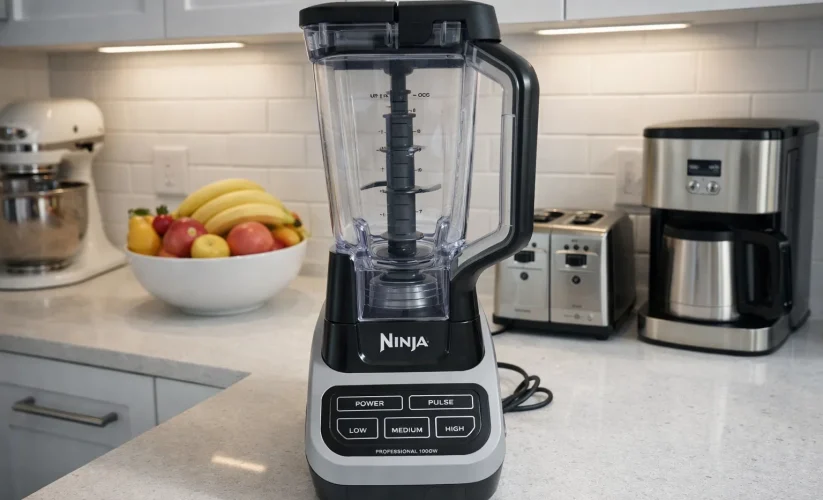
- ALL-IN-ONE KITCHEN SYSTEM: Blend, chop, crush and more in this powerhouse blender and food processor combo.
- POWERFUL MOTOR:1500-watt motor base to crush ice, blend frozen fruit, and power through tough ingredients with the 2-horsepower motor, designed for professional results.
- BLENDING TECHNOLOGY: The XL 72-oz.* pitcher, ideal for large batches and entertaining, features Total Crushing Blades that crush ice to snow in seconds and powers through tough ingredients. *64-oz. max liquid capacity.
- INCREASED MOTOR POWER: The Ninja Professional Plus features a new modern design and a more powerful motor than Ninja’s original Professional Blender (1400W vs 1000W of BL610)
- POWERFUL ICE CRUSHING: Total Crushing blades give you perfectly crushed ice for smoothies and frozen drinks with peak professional power
- POWERFUL ICE CRUSHING: Total Crushing blades give you perfectly crushed ice for smoothies and frozen drinks with peak professional power
- POWERFUL BLENDING PERFORMANCE: 1100-peak-watt motor powers through the toughest ingredients and pulverizes ice to snow in seconds for creamy frozen drinks, smoothies, sauces, and more
- AUTO-IQ ONE-TOUCH PRESETS: 2 Auto-iQ preset programs combine unique timed pulsing, blending, and pausing patterns for one-touch smoothies and crushed ice without guesswork
- NUTRIENT EXTRACTION: Pro Extractor Blades Assembly unlocks hidden nutrition by breaking down whole fruits and veggies, including portions usually discarded, for vitamin- and nutrient-rich drinks

- 1000W PROFESSIONAL POWER: Effortlessly powers through tough ingredients like ice and frozen fruit for smooth, consistent results every time
- POWERFUL ICE CRUSHING: Total Crushing technology blasts through ice and frozen ingredients with ease, turning ice to snow in seconds
- FAMILY-SIZE PITCHER: Great for making large batches for the whole family or for entertaining, with 64-oz. max liquid capacity clearly marked
The Gasket or Sealing Ring Is Worn or Damaged
The gasket, also known as the sealing ring, is a small rubber or silicone component that sits between the blade assembly and the pitcher. Its sole job is to create a watertight seal so that liquid stays inside the blender during operation. Over time, this ring can degrade, crack, warp, or simply become loose from repeated use and washing.
When the gasket fails, liquid will seep through the gap between the blade base and the pitcher, pooling underneath the appliance. This is one of the most common reasons behind a leaking Ninja blender, and fortunately, it is also one of the easiest to fix. Replacement gaskets are widely available online and at appliance stores, and they typically cost only a few dollars.
To check the gasket, remove the blade assembly from the pitcher and inspect the rubber ring carefully. Look for cracks, tears, discoloration, or a flattened texture. If the ring shows any of these signs, replacing it is the recommended course of action. Always ensure the new gasket fits the specific Ninja model being used, as sizes can vary.
The Pitcher Has a Crack or Damage
Physical damage to the blender pitcher is another common source of leaks. Although Ninja pitchers are built from durable BPA-free plastic, they are not indestructible. Dropping the pitcher, exposing it to extreme temperature changes, or simply using it heavily over several years can lead to hairline cracks or visible fractures.
Even small cracks that appear minor can cause significant leaking, especially when the blender is processing liquids at high speeds. A crack near the bottom of the pitcher or along the side seam is particularly problematic. Inspecting the pitcher under bright light and filling it with water while it rests on a dry surface is a simple way to confirm whether a crack is the source of the leak.
Unfortunately, a cracked pitcher cannot be reliably repaired. The safest and most effective solution is to replace the pitcher entirely. Ninja offers replacement pitchers for most of its popular models, and using a compatible pitcher ensures continued safe operation of the blender.
The Blade Assembly Is Loose or Improperly Installed
The blade assembly on a Ninja blender screws onto the bottom of the pitcher. If it is not tightened properly, or if the threads are stripped or damaged, the seal will not be secure enough to hold liquid during blending. This is a particularly common issue after cleaning, when the parts are reassembled in a hurry.
Always ensure the blade assembly is twisted on firmly and that it clicks or locks into place before adding any liquid to the pitcher. If the assembly feels wobbly or spins too freely, the threads may be worn out. In that case, replacing the blade assembly with a compatible Ninja part is the most reliable fix.
It is also worth inspecting the threads on the pitcher itself. If the plastic threads inside the pitcher base are stripped, the blade assembly will never achieve a proper seal regardless of how tightly it is twisted on. In this situation, replacing the pitcher is necessary.
Overfilling the Pitcher
Every Ninja blender pitcher has a maximum fill line printed on the side, and for good reason. When the pitcher is filled beyond this line, the excess pressure created during blending forces liquid to escape through any available opening, including around the lid or the blade assembly.
Overfilling is an especially common problem when blending hot liquids, soups, or carbonated ingredients. Heat and carbonation create additional pressure inside the pitcher that can overwhelm the seals. Always leave enough headspace in the pitcher, and when blending hot ingredients, fill the pitcher only halfway to allow for safe expansion.
Even with a perfectly functioning blender, consistently overfilling the pitcher will eventually wear down the seals and gaskets faster than normal. Respecting the fill line is one of the simplest habits that extends the life of the appliance significantly.
The Lid Is Not Sealed Properly
While most Ninja blender leaks originate from the bottom of the pitcher near the blade assembly, leaks from the top are also possible. A lid that is cracked, warped, or not pressed on firmly enough will allow liquid to splash or seep out during blending, particularly at high speeds.
Always press the lid down firmly before starting the blender and ensure any locking tabs are fully engaged. If the lid has a removable center cap, check that it is seated securely as well. A warped or damaged lid should be replaced rather than used, as it poses a safety risk in addition to causing mess.
Lid leaks are more common after the lid has been through a dishwasher many times. Prolonged exposure to high heat in a dishwasher can warp plastic lids over time, causing them to lose their precise fit. Handwashing the lid is generally recommended to preserve its shape and sealing ability.
How to Diagnose the Source of the Leak
Before replacing any parts, it helps to identify exactly where the leak is coming from. A systematic approach saves both time and money. Here is a straightforward method for diagnosing the issue:
- Dry the exterior of the pitcher and blade assembly completely with a paper towel.
- Fill the pitcher with a small amount of water, about one cup, and hold it over the sink without attaching it to the blender motor base.
- Watch carefully to see if water drips from the blade assembly area at the bottom. Which indicates a gasket or blade assembly problem.
- If no drips appear at the bottom, attach the lid and gently tip the pitcher to see if water leaks from the lid connection.
- Look for moisture along the sides of the pitcher, which may indicate a crack or hairline fracture.
- If the leak only occurs during actual blending, overfilling or a loose lid is the most likely cause.
Preventive Maintenance Tips
Most Ninja blender leaks can be avoided entirely with a little routine maintenance. Taking care of the appliance properly keeps it performing reliably and prevents small issues from becoming costly problems down the line.
- Inspect the gasket at least once a month for signs of wear, cracking, or deformation, and replace it as needed.
- Avoid leaving liquids sitting in the pitcher for extended periods, as prolonged moisture exposure can degrade rubber seals faster.
- Handwash the blade assembly and gasket when possible instead of using the dishwasher, as high heat accelerates seal degradation.
- Always check that the blade assembly is fully tightened before each use.
- Never blend boiling liquids at full capacity. Allow hot liquids to cool slightly and fill the pitcher only halfway.
- Store the pitcher with the blade assembly removed to prevent compression of the gasket during storage.
- Periodically check the pitcher for any small cracks or chips, especially along the base and seams.
When to Contact Ninja Customer Support
If all of the above troubleshooting steps have been tried and the blender continues to leak, it may be time to reach out to Ninja directly. Ninja offers customer support and warranty coverage for many of its products, and a leak that cannot be resolved through basic part replacement may qualify for a free repair or replacement under the product warranty.
Before contacting support, have the model number of the blender ready. This information is typically found on the underside of the motor base. Describing the nature of the leak clearly, including where it originates and when it occurs, will help the support team provide accurate guidance.
For blenders that are still under warranty, attempting self-repair with non-Ninja parts may void the warranty. In those cases, contacting customer support before purchasing any replacement components is the better approach.
Conclusion
A leaking Ninja blender does not necessarily mean the appliance is beyond saving. In the vast majority of cases, the issue comes down to a worn gasket, a cracked pitcher, an improperly seated blade assembly, or overfilling. Each of these problems has a clear and affordable solution that can be carried out at home without any specialized tools or expertise.
Regular inspection and a few simple maintenance habits go a long way toward preventing leaks from occurring in the first place. Taking care of the sealing ring, respecting the fill line, and assembling the blender correctly every time will keep it operating smoothly for years. When in doubt, Ninja customer support is always available to help navigate more persistent issues with the product.
Frequently Asked Questions
1. Can a leaking Ninja blender be used safely?
It is not recommended to continue using a leaking blender. A leak can cause liquid to reach the motor base. Which poses an electrical hazard and may permanently damage the appliance. Address the leak before using the blender again.
2. How often should the gasket be replaced on a Ninja blender?
There is no fixed replacement schedule, but inspecting the gasket every one to two months is a good habit. If any cracking, flattening, or discoloration is noticed, replace it promptly. Heavy daily use may require more frequent replacements than occasional use.
3. Where can replacement gaskets and pitchers for Ninja blenders be purchased?
Replacement parts can be purchased directly from the Ninja website, large online retailers, and many kitchen appliance stores. Always confirm that the replacement part is compatible with the specific Ninja model before purchasing.
4. Does blending hot liquids damage the blender and cause leaks?
Blending very hot liquids can create pressure buildup inside the pitcher, which may force liquid out through the lid or blade assembly. It also accelerates wear on rubber seals over time. Allow hot liquids to cool slightly before blending and never fill the pitcher more than halfway when working with warm ingredients.
5. Will a Ninja blender warranty cover leaking issues?
Ninja blenders typically come with a limited warranty that covers manufacturing defects. If the leak is caused by a defect in the pitcher, gasket, or blade assembly and the blender is still within the warranty period, the issue may be covered. Contact Ninja customer support directly to assess warranty eligibility before attempting any repairs.
Last update on 2026-10-11 / Affiliate links / Images from Amazon Product Advertising API
*We may earn a commission for purchases made using our links. Please see our disclosure to learn more.