Ninja Air Fryer Roasted Tomatoes

Roasting tomatoes transforms them from ordinary produce into concentrated bursts of sweet, savory flavor. While traditional oven-roasting requires patience and significant energy consumption, the Ninja Air Fryer offers a faster, more efficient alternative that delivers equally impressive results. This modern kitchen appliance has revolutionized how home cooks approach roasted tomatoes, making the process accessible for weeknight dinners and meal prep alike.
The appeal of air fryer roasted tomatoes extends beyond convenience. The circulating hot air technology caramelizes the natural sugars while intensifying the umami notes, creating a versatile ingredient that elevates countless dishes. Whether tossed with pasta, spread on crusty bread, or incorporated into sauces, these roasted gems add depth and complexity that fresh tomatoes simply cannot match.
“The air fryer has completely changed how we approach roasted vegetables in professional kitchens. The speed and consistency allow us to prepare components fresh throughout service while maintaining quality that rivals traditional methods.”
— Culinary Institute of America, Modern Kitchen Techniques
Key Takeaways
- Air fryer roasted tomatoes cook in 15-25 minutes, significantly faster than traditional oven methods
- The high-speed convection creates excellent caramelization while maintaining moisture
- Cherry and grape tomatoes work best due to their size and sweetness
- Proper seasoning with olive oil, salt, and herbs enhances the natural flavors
- Roasted tomatoes can be stored for up to one week, making them ideal for meal prep
- The versatile ingredient works in pasta dishes, salads, sandwiches, and appetizers

- MAX CRISP TECHNOLOGY: Delivers up to 450°F of superheated air for faster, hotter, and extra-crispy results using little to no oil—perfect for fries, wings, and more. Achieve that golden crunch with rapid air circulation.
- 6-IN-1 COOKING FUNCTIONS: Includes Max Crisp, Air Fry, Air Roast, Bake, Reheat, and Dehydrate a complete countertop solution for healthier, oil-free meals.
- XL CAPACITY AIR FRYER: The 6.5-quart nonstick basket and crisper plate hold up to 5 lbs. of French fries or 9 lbs. of chicken wings ideal for family meals, game day, and meal prepping.
Understanding the Air Fryer Advantage
The Ninja Air Fryer operates on rapid air circulation technology, which surrounds food with hot air moving at high velocity. This process mimics deep-frying results without submerging ingredients in oil. For tomatoes, this means the exterior caramelizes beautifully while the interior remains juicy and flavorful.
Traditional oven-roasting typically requires 45 minutes to an hour at lower temperatures. The air fryer cuts this time by more than half, achieving similar or superior results in just 15 to 25 minutes. This efficiency translates to lower energy consumption and less heat in the kitchen—particularly valuable during warmer months.
The compact cooking chamber of the air fryer also contributes to better results. The concentrated heat and airflow create more consistent browning across all tomatoes, eliminating the common problem of unevenly roasted vegetables that plague conventional oven methods.
Selecting the Right Tomatoes
Choosing appropriate tomatoes significantly impacts the final product. Cherry and grape tomatoes rank as the top choices for air fryer roasting due to their manageable size and naturally higher sugar content. These varieties fit perfectly in the air fryer basket, allowing optimal air circulation around each piece.
Roma tomatoes offer another excellent option, though they require halving or quartering to ensure even cooking. Their meatier texture and lower moisture content make them particularly suitable for recipes requiring a thicker consistency, such as sauces or spreads.
Heirloom tomatoes can work beautifully for special occasions, providing unique flavor profiles and stunning colors. However, their varied sizes may necessitate adjusting cooking times. Larger varieties should be cut into uniform pieces to ensure everything finishes simultaneously.
Ripeness matters considerably. Tomatoes at peak ripeness deliver the sweetest, most concentrated flavor after roasting. Slightly underripe tomatoes work acceptably but will taste more acidic and less sweet. Overripe tomatoes risk becoming too mushy during the cooking process.
Essential Preparation Steps
Proper preparation ensures optimal results. Begin by washing tomatoes thoroughly and patting them completely dry. Excess moisture interferes with caramelization and can lead to steaming rather than roasting.
For cherry and grape tomatoes, leaving them whole typically works best. However, halving them exposes more surface area to direct heat, creating additional caramelized edges—a desirable outcome for those who prefer more intense flavor. This decision largely depends on personal preference and intended use.
Larger tomatoes require cutting into uniform pieces, approximately one to two inches in size. Consistency in sizing ensures all pieces finish cooking at the same time, preventing some from burning while others remain undercooked.
The next step involves seasoning. Toss tomatoes in olive oil to coat them lightly but thoroughly. The oil facilitates heat transfer and helps seasonings adhere while contributing its own fruity notes. Extra virgin olive oil works wonderfully, though lighter varieties suffice for more neutral flavor profiles.
Salt draws out moisture and concentrates flavors, making it an essential component. Freshly ground black pepper adds subtle heat and complexity. Beyond these basics, consider additions like minced garlic, dried oregano, thyme, basil, or red pepper flakes. Fresh herbs can be added during the final minutes of cooking to prevent burning.
Optimal Cooking Technique
Preheating the Ninja Air Fryer sets the foundation for success. Set the temperature to 400°F and allow the unit to preheat for three to five minutes. This ensures immediate contact with hot air when tomatoes enter the basket, jumpstarting the caramelization process.
Arrange tomatoes in a single layer within the air fryer basket, avoiding overcrowding. Overlapping tomatoes steam rather than roast, producing lackluster results. If preparing a large batch, work in multiple rounds rather than compromising quality by overloading the basket.
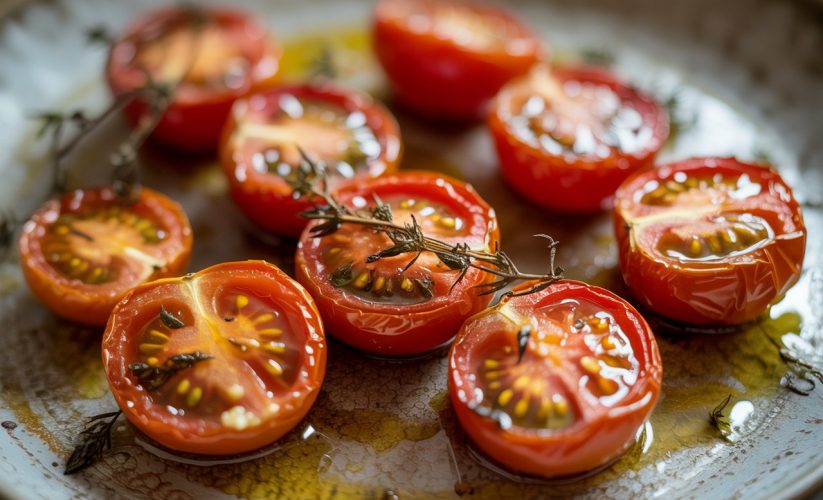
Cook for 12 to 15 minutes for whole cherry tomatoes, shaking the basket halfway through for even browning. Halved tomatoes or larger pieces may require 18 to 25 minutes. The tomatoes should appear blistered and slightly collapsed, with darkened, caramelized spots across the surface.
Visual cues indicate doneness better than strict timing. Look for skins that have split and wrinkled, with some charred spots. The tomatoes should appear softened but not completely disintegrated. A probe or fork should easily pierce the flesh.
For those seeking maximum caramelization, an additional two to three minutes at the end can deepen the roasted character. Monitor closely during this extension to prevent crossing from caramelized into burned territory.
Flavor Variations and Seasonings
The basic preparation provides an excellent foundation, but variations expand the repertoire. Mediterranean-style roasted tomatoes incorporate oregano, thyme, and basil with garlic cloves tucked among the tomatoes. Add lemon zest during the final minutes for brightness.
Italian-inspired versions benefit from balsamic vinegar drizzled over tomatoes before cooking. The vinegar reduces and concentrates, creating a sweet-tart glaze that complements the tomatoes’ natural acidity. Capers and olives can be added during the last few minutes for briny complexity.
Asian fusion approaches employ sesame oil instead of olive oil, with additions like ginger, soy sauce, and rice vinegar. Finish with sesame seeds and thinly sliced scallions after cooking for textural contrast and fresh flavor.
Spicy variations incorporate red pepper flakes, cayenne, or diced jalapeños. The heat intensifies during roasting, so start conservatively and adjust in future batches. Smoked paprika adds depth without significant heat, making it suitable for those seeking complexity without spiciness.
Sweet preparations work surprisingly well, particularly for dessert applications. Reduce or eliminate salt, add a touch of honey or maple syrup, and finish with fresh mint or basil. These work beautifully over ricotta toast or vanilla ice cream.
Practical Applications
Roasted tomatoes demonstrate remarkable versatility across various dishes. Pasta represents perhaps the most intuitive application. Simply toss the roasted tomatoes with hot pasta, reserved pasta water, fresh basil, and Parmesan cheese for an effortless yet sophisticated meal. The tomatoes release their concentrated juices, creating a light sauce that clings to noodles.
Sandwiches and paninis benefit enormously from roasted tomatoes. Layer them with fresh mozzarella, arugula, and balsamic glaze on ciabatta for a gourmet sandwich. The roasted tomatoes provide intense flavor without the wateriness that plagues fresh tomatoes in sandwiches.
Salads gain substantial depth from roasted tomatoes. Add them to grain salads with farro or quinoa, toss them with mixed greens and goat cheese, or incorporate them into pasta salads. The warm tomatoes slightly wilt greens, creating an appealing textural contrast.
Pizza and flatbreads showcase roasted tomatoes beautifully. Use them as the primary sauce, spread across dough before adding cheese and other toppings. Alternatively, scatter them across pizzas during the final minutes of baking as a finishing element.
Appetizers become elevated with roasted tomatoes. Serve them on crostini with whipped feta or ricotta. Blend them into dips and spreads. Skewer them with mozzarella balls and basil for a deconstructed caprese presentation.
Breakfast dishes welcome roasted tomatoes enthusiastically. Add them to scrambled eggs or omelets, serve alongside avocado toast, or incorporate them into breakfast burritos. Their concentrated flavor provides savory depth that balances typical breakfast sweetness.
Storage and Meal Prep
Proper storage extends the usefulness of roasted tomatoes significantly. Allow them to cool completely before transferring to airtight containers. They keep refrigerated for five to seven days, making them excellent candidates for Sunday meal prep.
Store roasted tomatoes in their accumulated juices, which concentrate flavor and prevent drying. For longer storage, transfer tomatoes and juices to freezer-safe containers or bags, where they maintain quality for up to three months. Flat-freezing in bags allows breaking off portions as needed.
Preserving roasted tomatoes in olive oil creates a shelf-stable product when handled properly. Layer cooled tomatoes in sterilized jars, covering completely with olive oil. Refrigerated, these keep for two weeks. The infused oil becomes a flavorful cooking medium itself.
Consider preparing large batches during peak tomato season. Summer tomatoes possess superior flavor and lower prices, making this an economical approach. Frozen roasted tomatoes provide year-round access to summer’s bounty, significantly surpassing the quality of winter hothouse tomatoes.
Reheating requires minimal effort. Warm them gently in a skillet over medium-low heat, in the microwave for 30 to 45 seconds, or at room temperature if using in cold applications. Avoid high heat during reheating, which can further break down the already-softened structure.
Nutritional Benefits
Roasted tomatoes retain most of their nutritional value while actually enhancing certain compounds. Lycopene, a powerful antioxidant responsible for tomatoes’ red color, becomes more bioavailable through cooking. Heat breaks down cell walls, making lycopene easier for the body to absorb.
The small amount of olive oil used in preparation aids lycopene absorption, as this antioxidant is fat-soluble. This synergistic relationship between tomatoes and healthy fats demonstrates how preparation methods can optimize nutritional benefits.
Tomatoes provide excellent sources of vitamins C and K, potassium, and folate. While some vitamin C degrades during cooking, enough remains to contribute meaningfully to daily requirements. The concentration that occurs during roasting means a smaller serving provides nutrients equivalent to larger amounts of fresh tomatoes.
The air fryer method requires minimal added fat compared to other cooking techniques, keeping calorie counts reasonable. A typical serving of air fryer roasted tomatoes contains approximately 60 to 80 calories, with most coming from the tomatoes themselves rather than added oils.
Roasting tomatoes concentrates natural sugars, but this process doesn’t add calories—it simply removes water, making existing calories more dense. The increased sweetness often satisfies cravings with smaller portions than fresh tomatoes would require.
Troubleshooting Common Issues
Several issues may arise when roasting tomatoes in the air fryer, though solutions exist for each. Tomatoes that remain too firm after the recommended cooking time likely need additional minutes. Air fryer models vary in actual temperature output, so some calibration may be necessary initially.
Conversely, tomatoes that become too mushy or lose structural integrity were likely overcooked or started overripe. Reduce cooking time slightly, or select firmer tomatoes. Remember that smaller tomatoes cook faster than larger pieces, so adjust accordingly.
Insufficient caramelization typically results from overcrowding the basket or excess moisture. Ensure tomatoes are thoroughly dried before cooking and maintain space between pieces for air circulation. Increasing temperature by 25°F for the final few minutes can enhance browning.
Tomatoes that taste bland probably needed more seasoning. Salt particularly proves crucial for developing flavor, so don’t be timid. Taste a roasted tomato before storing the batch, adjusting seasoning while still warm allows salt to penetrate more effectively.
Skins that toughen unpleasantly can be removed after roasting if desired. Once cooled slightly, the skins slip off easily. However, many people find properly roasted skins add pleasant textural variety and contain beneficial nutrients.
Smoke emerging from the air fryer usually indicates excess oil pooling in the bottom drawer. Use only enough oil to lightly coat tomatoes—they don’t need to swim in it. Additionally, clean the air fryer regularly to prevent residue buildup.
Equipment Considerations
While this article focuses on the Ninja Air Fryer, the techniques translate to other air fryer brands with minor adjustments. Basket-style air fryers work best for tomatoes, as the perforated basket allows optimal air circulation. Oven-style air fryers with multiple racks can accommodate larger batches but may require rotating trays midway.
Ninja Air Fryers typically offer precise temperature controls and various cooking functions. The basic air fry function works perfectly for roasted tomatoes, though some models include vegetable-specific settings that can streamline the process.
Capacity matters when planning meal prep. Standard Ninja Air Fryers accommodate two to three pints of cherry tomatoes per batch. Larger models handle more, while mini versions suit smaller households or single servings.
Accessories enhance the air fryer experience. Parchment paper liners simplify cleanup, though they should be perforated to maintain airflow. Silicone mats serve the same purpose with the added benefit of reusability. Small cake pans or baking dishes fit inside some air fryers, allowing cooking tomatoes with additional liquid for sauce-making.
Regular maintenance ensures consistent performance. Clean the basket and drawer after each use to prevent flavor transfer and buildup. Deep clean the heating element monthly to maintain optimal heat distribution.
Cost-Effectiveness Analysis
Roasting tomatoes in the Ninja Air Fryer proves economically advantageous in multiple ways. The reduced cooking time translates to lower energy consumption compared to conventional ovens. Air fryers typically use 50 to 70 percent less energy for equivalent cooking tasks.
Purchasing tomatoes during peak season and preserving them through roasting and freezing maximizes savings. Summer tomatoes cost a fraction of winter prices while offering superior flavor. A small investment in seasonal produce provides months of high-quality ingredients.
The ability to use slightly blemished or overripe tomatoes reduces food waste. Tomatoes past their prime for fresh consumption still roast beautifully, transforming potential waste into valuable ingredients. This extends the useful life of produce purchases.
Home-prepared roasted tomatoes cost significantly less than store-bought equivalents. Jarred roasted tomatoes or sun-dried tomatoes command premium prices, often several times the cost of fresh tomatoes. The air fryer method produces comparable or superior products at a fraction of the retail price.
The versatility of roasted tomatoes reduces reliance on multiple specialty ingredients. They function as sauce bases, flavor enhancers, and standalone side dishes, consolidating grocery lists and simplifying meal planning.
Environmental Considerations
Air fryers present certain environmental advantages over traditional cooking methods. The shorter cooking times and smaller heating chambers require less energy, reducing carbon footprints associated with meal preparation. This efficiency becomes particularly significant when cooking small batches.
Preserving seasonal produce through roasting and freezing reduces reliance on out-of-season tomatoes, which often travel thousands of miles and require energy-intensive greenhouse cultivation. Supporting local tomato production during summer months and preserving the harvest aligns with sustainable eating practices.
The reduced need for packaged, processed tomato products means less packaging waste. Making roasted tomatoes at home eliminates jars, cans, and plastic packaging associated with commercial products. This small change aggregates into meaningful waste reduction over time.
However, air fryers themselves carry manufacturing and disposal considerations. Choosing durable models from reputable manufacturers ensures longer useful lives, reducing electronic waste. Proper maintenance extends equipment lifespan, maximizing the environmental investment in these appliances.
Conclusion
The Ninja Air Fryer revolutionizes the process of roasting tomatoes, making this flavor-enhancing technique accessible for everyday cooking. The combination of speed, efficiency, and consistent results removes traditional barriers that prevented many home cooks from incorporating roasted tomatoes into their regular repertoire.
The versatility of air fryer roasted tomatoes cannot be overstated. From simple pasta dishes to elegant appetizers, these concentrated flavor bombs elevate countless recipes with minimal effort. The ability to prepare them in advance and store them for later use aligns perfectly with modern meal prep strategies.
Mastering this technique opens doors to creative cooking and cost-effective meal planning. The minimal equipment requirements, straightforward process, and forgiving nature make air fryer roasted tomatoes an ideal starting point for those exploring this cooking method. With practice, adjusting times, temperatures, and seasonings becomes intuitive, leading to personalized variations that suit individual tastes.
The investment in understanding this technique pays dividends through improved meals, reduced waste, and enhanced cooking confidence. Whether preparing a quick weeknight dinner or planning an elaborate weekend feast, air fryer roasted tomatoes deserve a prominent place in the modern kitchen.
Frequently Asked Questions
Can grape tomatoes and cherry tomatoes be used interchangeably in the air fryer?
Yes, grape and cherry tomatoes work interchangeably for air fryer roasting. Both varieties possess similar size, moisture content, and sugar levels, producing comparable results. Grape tomatoes are slightly more oval and may have marginally firmer flesh, while cherry tomatoes are rounder and sometimes juicier. These minor differences rarely impact the final product significantly. Cook times remain essentially identical, though checking a few minutes early ensures optimal results regardless of variety. Personal preference and availability should guide the selection.
How can roasted tomatoes be prevented from sticking to the air fryer basket?
Preventing sticking requires several strategies. First, ensure tomatoes are adequately coated with oil before cooking, as this creates a barrier between the produce and basket. Using cooking spray on the basket itself adds an additional protective layer. Parchment paper liners designed for air fryers work excellently, though they must be perforated to maintain airflow. Avoid overcrowding, which can cause tomatoes to stick together and to the basket. If sticking occurs despite precautions, soaking the basket in warm soapy water immediately after cooking makes cleanup easier.
What temperature works best for air fryer roasted tomatoes?
The optimal temperature range for air fryer roasted tomatoes falls between 375°F and 400°F. Lower temperatures around 375°F produce gentler roasting with more retained moisture, ideal when a softer texture is desired. Higher temperatures near 400°F create more caramelization and concentration, developing deeper, more intense flavors. Most recipes recommend 400°F as the sweet spot, balancing cooking speed with flavor development. Experimentation within this range helps identify personal preferences. Temperatures above 400°F risk burning before the interior fully softens, while those below 375°F extend cooking times significantly without substantial benefits.
Are there specific Ninja Air Fryer models that work better for roasting tomatoes?
All Ninja Air Fryer models can successfully roast tomatoes, though some features provide convenience advantages. Larger capacity models like the Ninja Foodi series allow roasting bigger batches, beneficial for meal prep. Models with multiple zones enable cooking tomatoes alongside other ingredients simultaneously. Digital controls offer precise temperature management, while analog versions work equally well with minor monitoring adjustments. The basic Ninja Air Fryer AF101 performs excellently for standard batches. Ultimately, technique matters more than model specifications—proper temperature, timing, and spacing produce excellent results across the entire Ninja lineup.
Can frozen tomatoes be roasted directly in the air fryer without thawing?
Roasting frozen tomatoes in the air fryer is possible but produces different results than using fresh tomatoes. Frozen tomatoes release considerably more moisture as ice crystals melt, leading to steaming rather than immediate roasting. This extra moisture extends cooking time by 5 to 10 minutes and may prevent optimal caramelization. For best results, thaw frozen tomatoes completely and drain excess liquid before air frying. However, when time is limited, cooking from frozen remains viable—simply expect softer texture and potentially less browning. Increasing temperature slightly and extending cooking time compensates for the frozen state somewhat, though results never quite match those from fresh tomatoes.
Last update on 2026-10-11 / Affiliate links / Images from Amazon Product Advertising API
*We may earn a commission for purchases made using our links. Please see our disclosure to learn more.