Air Fryer Orange Chicken: A Crispy, Healthier Take on Takeout

The allure of restaurant-style orange chicken is undeniable—crispy, golden nuggets coated in a glossy, tangy-sweet sauce that perfectly balances citrus brightness with savory depth. For years, this beloved dish has been a takeout staple, but recreating it at home often seemed daunting, requiring deep frying and extensive cleanup. Enter the Ninja Air Fryer, a kitchen appliance that has revolutionized home cooking by delivering that coveted crispy texture with significantly less oil. Making orange chicken in an air fryer transforms this indulgent favorite into a weeknight-friendly meal that’s both healthier and remarkably simple to prepare.
The Ninja Air Fryer’s rapid air circulation technology creates an environment that mimics deep frying, producing chicken with a satisfyingly crunchy exterior while keeping the interior tender and juicy. This method slashes the calorie count compared to traditional preparation, typically reducing oil usage by 70-80%. Beyond health benefits, air frying offers convenience—no splattering oil, faster cooking times, and minimal cleanup. Whether cooking for a family dinner or meal prepping for the week, orange chicken prepared in an air fryer delivers restaurant-quality results without the restaurant price tag or the guilt.
“Air frying has democratized crispy Asian cuisine for home cooks. The technology allows anyone to achieve textures that previously required professional equipment and expertise, particularly with dishes like orange chicken that depend on that perfect crunch-to-tenderness ratio.”
— Food Technology Research Institute
Key Takeaways
- Air fryer orange chicken uses up to 80% less oil than deep-fried versions while maintaining crispy texture
- Total preparation and cooking time is approximately 30-40 minutes from start to finish
- The Ninja Air Fryer’s temperature range of 350-400°F creates optimal crispiness for breaded chicken
- Homemade orange sauce takes only 10 minutes and contains no artificial preservatives
- Leftover orange chicken stores well for 3-4 days and reheats beautifully in the air fryer
- This method works with both boneless chicken breasts and thighs for varied texture preferences

- MAX CRISP TECHNOLOGY: Delivers up to 450°F of superheated air for faster, hotter, and extra-crispy results using little to no oil—perfect for fries, wings, and more. Achieve that golden crunch with rapid air circulation.
- 6-IN-1 COOKING FUNCTIONS: Includes Max Crisp, Air Fry, Air Roast, Bake, Reheat, and Dehydrate a complete countertop solution for healthier, oil-free meals.
- XL CAPACITY AIR FRYER: The 6.5-quart nonstick basket and crisper plate hold up to 5 lbs. of French fries or 9 lbs. of chicken wings ideal for family meals, game day, and meal prepping.
Understanding the Air Fryer Advantage
Air fryers have surged in popularity over the past several years, and the Ninja brand has established itself as a leader in this category. The technology behind air frying involves superheated air circulating at high speeds around food, creating a crispy outer layer through the Maillard reaction—the same chemical process that occurs during deep frying. The key difference lies in the medium: air instead of oil.
The Ninja Air Fryer excels at cooking orange chicken for several reasons. First, its precise temperature controls allow cooks to maintain consistent heat throughout the cooking process, preventing the common problem of burned coating with raw centers. Second, the basket design promotes even air circulation, ensuring all sides of the chicken pieces achieve that desirable golden-brown finish. Third, the compact cooking chamber means the appliance preheats quickly, shaving precious minutes off meal preparation time.
When comparing air-fried orange chicken to its deep-fried counterpart, the nutritional differences are striking. A typical serving of restaurant orange chicken contains approximately 400-500 calories, with 20-25 grams of fat, much of it from deep frying. Air fryer versions typically clock in around 250-300 calories per serving with only 8-12 grams of fat, representing a significant reduction without sacrificing flavor or satisfaction.
Selecting and Preparing the Chicken
The foundation of excellent orange chicken begins with selecting the right cut and properly preparing it. Boneless, skinless chicken breasts and thighs both work wonderfully, though they offer different benefits. Chicken breasts provide a leaner option with a slightly firmer texture, while thighs deliver more flavor and remain juicier due to their higher fat content. Many cooks prefer thighs for air frying specifically because they’re more forgiving and less likely to dry out.
Cutting the chicken into uniform, bite-sized pieces is crucial for even cooking. Aim for pieces roughly 1 to 1.5 inches in size—large enough to stay moist but small enough to cook through quickly and coat evenly with breading. Consistency in sizing ensures that all pieces finish cooking simultaneously, preventing some from becoming overcooked while others remain underdone.
The breading process follows a classic three-step method that creates maximum crispiness. First, the chicken pieces get dredged in seasoned flour, which provides a dry surface for the next layer to adhere to. Second, they’re dipped in beaten eggs mixed with a splash of water or milk, creating a sticky coating. Finally, the pieces are coated in a mixture of cornstarch and additional flour, which becomes exceptionally crispy when exposed to the air fryer’s intense heat. Some variations incorporate panko breadcrumbs for extra crunch, though traditional Chinese restaurant-style orange chicken typically relies on the flour-cornstarch combination for its characteristic texture.
Crafting the Perfect Orange Sauce
The soul of orange chicken lies in its sauce—a harmonious blend of sweet, sour, and savory elements with bright citrus notes. Homemade orange sauce surpasses bottled versions in both flavor and freshness, and it’s surprisingly simple to prepare while the chicken cooks.
The base typically combines fresh orange juice and orange zest for authentic citrus flavor. Rice vinegar adds tanginess, while soy sauce contributes umami depth and saltiness. Brown sugar or honey provides sweetness that balances the acidic components. Garlic and fresh ginger bring aromatic complexity that elevates the sauce beyond one-dimensional sweetness. A small amount of cornstarch mixed with water creates a glossy, thick consistency that clings beautifully to the crispy chicken pieces.
The cooking process involves simmering these ingredients together in a saucepan for 8-10 minutes until the sauce reduces slightly and thickens to coat the back of a spoon. The transformation is remarkable—what begins as a thin, watery mixture becomes a lustrous glaze with concentrated flavor. For those who enjoy heat, adding red pepper flakes or sriracha creates a spicy variation that’s become increasingly popular.
Timing matters when combining sauce and chicken. The sauce should be added immediately after the chicken finishes cooking and while both components are still hot. This allows the sauce to adhere properly without making the breading soggy. A gentle tossing motion ensures even coating while preserving the crispy texture that makes this dish special.
The Air Frying Process
Proper technique transforms raw breaded chicken into the crispy masterpiece that defines great orange chicken. The process begins with preheating the Ninja Air Fryer to 375-400°F for approximately 3-5 minutes. Preheating ensures the chicken starts cooking immediately upon contact with hot air, creating that initial sear that locks in juices and begins developing the crispy exterior.
Arranging chicken pieces in the air fryer basket requires attention to spacing. Overcrowding is the most common mistake that prevents proper crisping. Pieces should sit in a single layer with small gaps between them, allowing air to circulate freely around all surfaces. Depending on basket size, this usually means cooking in batches rather than cramming everything in at once. Though cooking in batches adds a few extra minutes, the superior texture makes it worthwhile.
Cooking time typically ranges from 12-15 minutes, with a crucial flip at the halfway point. After 6-7 minutes, opening the basket and turning each piece ensures both sides achieve even browning. Some cooks prefer using tongs for this task, while others simply shake the basket vigorously—both methods work, though tongs offer more control for delicate pieces.
The chicken is done when it reaches an internal temperature of 165°F, measured with an instant-read thermometer inserted into the thickest piece. Visual cues also indicate doneness: the coating should be deep golden brown and visibly crispy, with no pale or wet-looking spots. If pieces need additional crisping, extending the cooking time by 2-3 minutes usually does the trick.
Serving Suggestions and Accompaniments
Orange chicken shines as the centerpiece of a complete meal, and thoughtful accompaniments enhance the dining experience. Steamed white rice remains the classic pairing, providing a neutral base that soaks up extra sauce. For a healthier alternative, brown rice, cauliflower rice, or quinoa offer additional nutrients and interesting texture contrasts.
Vegetable sides balance the richness of the chicken and round out the nutritional profile. Steamed broccoli is perhaps the most traditional choice, its slight bitterness complementing the sweet sauce perfectly. Snap peas, bok choy, or stir-fried mixed vegetables add color and crunch. For a cohesive presentation, these vegetables can be quickly cooked in the same air fryer after removing the chicken, using residual heat and any flavor bits left in the basket.
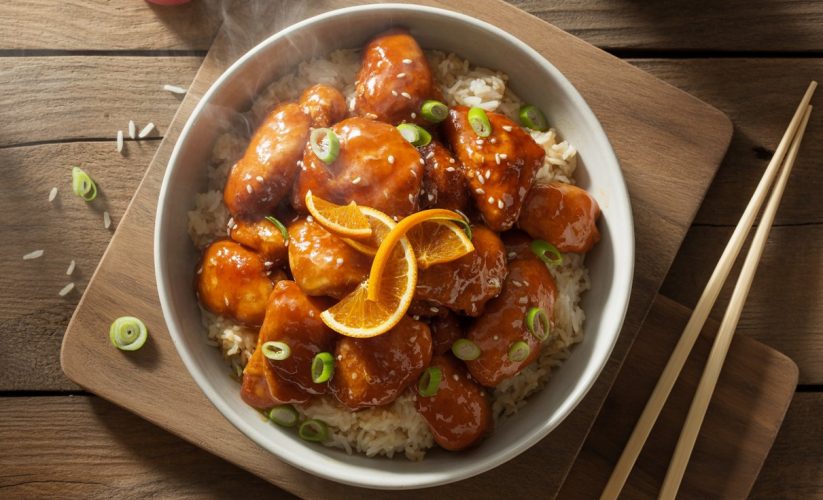
Garnishes elevate the dish from home cooking to restaurant presentation. Sliced green onions add fresh, sharp flavor and visual appeal. Sesame seeds contribute nutty taste and attractive speckling. For those who enjoy heat, thin slices of red chili pepper or a drizzle of chili oil create a spicy variation. Orange zest curls make a sophisticated garnish that reinforces the citrus flavor profile.
The sauce-to-chicken ratio is adjustable based on personal preference. Some prefer their orange chicken heavily sauced with extra on the side for drizzling over rice, while others favor a lighter coating that allows the crispy texture to shine through. Serving the extra sauce in a small bowl alongside the main dish lets diners customize their experience.
Storage and Reheating
One of the practical advantages of making orange chicken at home is how well it stores and reheats, making it excellent for meal prep or planned leftovers. Proper storage maintains quality and food safety for several days.
After cooking, allow the orange chicken to cool to room temperature before storing—this typically takes 20-30 minutes. Transfer to an airtight container and refrigerate promptly. Stored properly, orange chicken remains safe to eat for 3-4 days. For longer storage, freezing is an option, though the texture of the crispy coating won’t be quite the same after thawing. If freezing, separate the chicken from excess sauce and use freezer-safe containers or bags, removing as much air as possible.
Reheating in the Ninja Air Fryer brings back the crispy texture better than any other method. Preheat the air fryer to 350°F, arrange the cold chicken pieces in a single layer, and heat for 4-6 minutes until warmed through and re-crisped. This method far exceeds microwave reheating, which tends to make breaded chicken soggy and rubbery. If the chicken seems dry after refrigeration, a light spray of cooking oil before reheating can restore moisture to the coating.
For meal prep purposes, some cooks prefer keeping the cooked chicken and sauce separate, storing them in different containers. This prevents the coating from absorbing too much moisture during storage. When ready to eat, reheat the chicken in the air fryer and warm the sauce separately on the stovetop or in the microwave, then combine just before serving.
Variations and Customizations
The basic orange chicken formula serves as a versatile template for numerous variations that keep the dish interesting across repeated preparations. Understanding how to modify components allows cooks to tailor the recipe to dietary needs and flavor preferences.
For those following specific diets, several adaptations work well. A gluten-free version substitutes regular flour with rice flour or gluten-free all-purpose flour and uses tamari instead of regular soy sauce. Low-sugar variations replace brown sugar with natural sweeteners like monk fruit or reduce the sweetener quantity while increasing citrus juice for brightness. Protein alternatives like tofu or cauliflower florets can replace chicken entirely for vegetarian versions, though cooking times may need adjustment.
Spice levels are easily customizable. The basic recipe typically ranks as mild to medium, suitable for most palates including children. Increasing heat involves adding red pepper flakes to the sauce, incorporating fresh chilies, or finishing with a drizzle of spicy chili oil. For those who prefer more complex flavor, adding five-spice powder to the breading creates an aromatic variation, while sesame oil in the sauce adds nutty depth.
Regional and fusion variations have emerged as cooks experiment with the formula. A Thai-inspired version might incorporate lemongrass and coconut sugar, while a Korean variation could include gochugaru (Korean red pepper flakes) and a touch of gochujang. Some creative cooks add pineapple chunks to the sauce for tropical sweetness, while others include water chestnuts for extra crunch.
Troubleshooting Common Issues
Even experienced cooks occasionally encounter challenges when making air fryer orange chicken. Understanding common problems and their solutions ensures consistent success.
Soggy breading is perhaps the most frequent complaint. This usually results from overcrowding the air fryer basket, preventing proper air circulation. The solution involves cooking in smaller batches with adequate spacing between pieces. Another cause is excess moisture on the chicken before breading—patting pieces thoroughly dry with paper towels before dredging solves this issue. Finally, adding sauce while the chicken is still in the air fryer or when the chicken has cooled can create sogginess; always combine hot chicken with hot sauce immediately after air frying.
Dry chicken occurs when pieces overcook or when the air fryer temperature runs too high. Using a meat thermometer ensures cooking stops at exactly 165°F, preventing moisture loss from extended cooking. Choosing chicken thighs instead of breasts provides more forgiveness, as their higher fat content keeps them moist even with slight overcooking. Additionally, cutting pieces to consistent sizes prevents smaller bits from drying out while larger ones finish cooking.
Sauce that’s too thin or too thick indicates improper cornstarch ratios or cooking times. If the sauce remains watery after simmering, a cornstarch slurry (equal parts cornstarch and cold water, mixed smooth) whisked into the bubbling sauce will thicken it within a minute. Conversely, overly thick sauce can be thinned with small additions of orange juice or water until the desired consistency is reached.
Uneven browning suggests either inconsistent piece sizes or failure to flip the chicken midway through cooking. Cutting all pieces to similar dimensions ensures even cooking, while setting a timer to remind cooks to flip at the halfway point guarantees both sides achieve golden-brown perfection.
Nutritional Considerations
Understanding the nutritional profile of air fryer orange chicken helps diners make informed choices about portion sizes and meal composition. Compared to restaurant versions, homemade air-fried orange chicken offers significant nutritional advantages.
A typical serving of homemade air fryer orange chicken (approximately 4-5 ounces of chicken with sauce) contains roughly 280-320 calories, depending on specific ingredients and preparation methods. This breaks down to approximately 30-35 grams of protein, 25-30 grams of carbohydrates, and 8-12 grams of fat. The protein content makes it satisfying and supportive of muscle maintenance, while the moderate carbohydrate level provides energy without excessive sugar load.
Sodium levels deserve attention, particularly for those monitoring salt intake. Soy sauce contributes significant sodium to the orange sauce, with light or reduced-sodium soy sauce offering a way to decrease this without sacrificing too much flavor. The breading process typically adds minimal sodium unless heavily seasoned. A complete serving might contain 600-800 mg of sodium, which is moderate compared to restaurant versions that can exceed 1,500 mg per serving.
The vitamin and mineral profile benefits from the inclusion of orange juice and zest, which contribute vitamin C, while the chicken provides B vitamins, particularly niacin and B6. Adding vegetable sides transforms the meal into a more complete nutritional package with additional fiber, vitamins, and minerals.
For those tracking macros or following specific dietary plans, orange chicken fits reasonably well into balanced eating patterns. The dish provides substantial protein for satiety and muscle support, moderate carbohydrates for energy, and limited fat compared to fried alternatives. Adjusting portion sizes and accompaniments allows it to align with various nutritional goals.
The Economics of Homemade
Beyond health and convenience, making orange chicken at home offers compelling financial advantages. A cost comparison reveals significant savings compared to restaurant ordering or purchasing frozen prepared versions.
Restaurant orange chicken typically costs $10-15 per serving when ordered for delivery or takeout, with additional fees for delivery and tips pushing the total even higher. Frozen prepared versions from grocery stores range from $6-10 per serving. In contrast, homemade air fryer orange chicken costs approximately $3-4 per serving when accounting for all ingredients: chicken, breading components, sauce ingredients, and cooking oil spray.
For a family of four, a single batch of homemade orange chicken costs around $12-16 total, compared to $40-60 for equivalent restaurant takeout. Over the course of a month, making this dish just twice at home instead of ordering out saves $50-90. Annually, that difference amounts to hundreds of dollars—enough to pay for the air fryer itself several times over.
The Ninja Air Fryer represents an initial investment ranging from $70-150 depending on model and capacity, but its versatility extends far beyond orange chicken. The appliance handles countless other dishes—from vegetables to fish to desserts—making it a worthwhile addition to most kitchens. Many owners report using their air fryers 3-5 times per week, rapidly recouping the purchase price through reduced takeout spending and increased home cooking.
Ingredient costs remain stable and controllable. Buying chicken when on sale and freezing it, purchasing spices and staples in larger quantities, and making sauce from scratch rather than buying bottled versions all contribute to maintaining low per-serving costs while maximizing quality.
Conclusion
Making orange chicken in the Ninja Air Fryer represents a perfect convergence of health consciousness, convenience, and culinary satisfaction. This method delivers the crispy, flavorful dish that has made orange chicken a beloved staple, while significantly reducing calories, fat, and cooking complexity. The air fryer’s technology transforms what was once an intimidating deep-frying project into an accessible weeknight meal that families can prepare with confidence.
The versatility of this dish extends beyond its basic preparation. Through variations in spice levels, protein choices, and accompaniments, orange chicken adapts to diverse tastes and dietary needs. Its excellence for meal prep and leftovers adds practical value for busy households seeking to streamline their cooking routines. The financial savings compared to restaurant ordering make it an economically smart choice that doesn’t compromise on quality or enjoyment.
Whether approaching this dish as a first foray into air fryer cooking or as a regular rotation meal, orange chicken showcases what modern kitchen technology can achieve. The Ninja Air Fryer proves that healthier cooking doesn’t require sacrifice—it can deliver crispy, delicious results that rival or exceed traditional methods. For anyone seeking to bring restaurant-quality Asian cuisine into their home kitchen, mastering air fryer orange chicken is an achievement that pays dividends in flavor, health, and satisfaction for years to come.
Frequently Asked Questions
Can orange chicken be made in an air fryer without breading?
Yes, orange chicken can be prepared without breading by using naked chicken pieces tossed in cornstarch for a lighter coating. This method reduces calories and carbohydrates while still providing some textural contrast. Coat bite-sized chicken pieces in a thin layer of cornstarch mixed with salt and pepper, spray lightly with oil, and air fry at 380°F for 10-12 minutes. The cornstarch creates a slightly crispy exterior, though it won’t be as crunchy as fully breaded versions. This approach works particularly well for those avoiding gluten or preferring a less heavy coating while still enjoying the signature orange sauce.
How long does air fryer orange chicken last in the refrigerator?
Properly stored air fryer orange chicken remains safe to eat for 3-4 days in the refrigerator. Store it in an airtight container and ensure it cools to room temperature before refrigerating, which typically takes 20-30 minutes. For best quality, separate excess sauce from the chicken if planning to store for multiple days, as this prevents the breading from becoming too soft. When ready to eat, reheat in the air fryer at 350°F for 4-6 minutes to restore crispiness. If the chicken develops an off smell, unusual color, or slimy texture, discard it regardless of the time elapsed.
What’s the best temperature for cooking orange chicken in a Ninja Air Fryer?
The optimal temperature range for cooking breaded orange chicken is 375-400°F. Most recipes achieve excellent results at 390°F, which provides aggressive enough heat to crisp the breading quickly while cooking the chicken through without drying it out. Higher temperatures (400°F) work well for very small pieces and create maximum crispiness but require careful monitoring to prevent burning. Lower temperatures (375°F) are better for larger pieces that need more time for the interior to reach 165°F safely. The Ninja Air Fryer’s precise temperature controls make it easy to experiment within this range to find personal preferences.
Can frozen chicken be used to make air fryer orange chicken?
While fresh chicken is preferable, frozen chicken can be used with some adjustments to the process. The chicken must be completely thawed before breading, as breading won’t adhere properly to frozen surfaces and cooking times become unpredictable. Thaw chicken safely in the refrigerator overnight or use the cold water method (sealed chicken submerged in cold water, changed every 30 minutes). Once thawed, pat the chicken very dry with paper towels, as frozen chicken releases more moisture than fresh. After drying, proceed with the standard breading and cooking process. Never attempt to bread and cook chicken that’s still partially frozen.
Is air fryer orange chicken healthier than restaurant versions?
Air fryer orange chicken is significantly healthier than most restaurant versions, primarily due to reduced oil usage. Restaurant orange chicken is typically deep-fried, absorbing substantial amounts of oil that increase calorie and fat content. Air frying uses 70-80% less oil while achieving similar texture, resulting in approximately 40% fewer calories per serving. Additionally, homemade versions allow control over sugar content in the sauce, sodium levels from soy sauce, and ingredient quality overall. Restaurant preparations often include MSG, excessive sodium, and artificial additives. The ability to use organic chicken, fresh ingredients, and adjust sweetness makes the air fryer version a notably healthier choice for regular consumption.
Last update on 2026-10-24 / Affiliate links / Images from Amazon Product Advertising API
*We may earn a commission for purchases made using our links. Please see our disclosure to learn more.