Ninja vs Traditional Cooking: Which Is Best for Beginners?

Learning to cook can feel overwhelming, especially when faced with rows of pots, pans, and gadgets at the store. For beginners today, a new question has entered the mix: is it smarter to start with modern appliances like Ninja multi-cookers, or is learning traditional stovetop and oven techniques the better foundation?
Both paths have real advantages. Traditional cooking builds core skills, knife work, heat control, seasoning by instinct, while Ninja-style appliances offer speed, simplicity, and a forgiving learning curve. The right answer depends on goals, lifestyle, and how much time a beginner is willing to invest upfront. This guide breaks down both approaches honestly, so beginners can make an informed decision.
“The best way to learn cooking is to start cooking, whatever tool gets you into the kitchen fastest is the right tool.”
— America’s Test Kitchen, Cooking School Fundamentals
Key Takeaways
- Ninja appliances reduce the technical barrier for beginners by combining multiple functions in one device.
- Traditional cooking builds transferable skills that work in any kitchen, anywhere in the world.
- Neither method is objectively better, the fastest path to learning depends on personal goals and habits.
- Combining both approaches often produces the best results for long-term kitchen confidence.
- Budget, kitchen space, and cooking goals should guide the choice of which method to start with.
Recommended Products for Beginner Cooks
The following products are well-suited for beginners and are available on Amazon US. Whether going the Ninja route or the traditional path, these tools offer excellent value and usability.
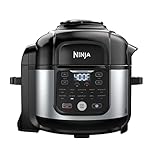
- The stainless steel pressure cooker that crisps. TenderCrisp Technology lets you quickly pressure cook to lock in juices then swap lids for a crispy, golden air fry finish.
- 10-in-1 versatility lets you pressure cook, slow cook, steam, make yogurt, sear/sauté, air fry crisp, bake/roast, broil, dehydrate, and keep foods warm inside the pot.
- Stainless steel nesting broil rack lets you steam, broil, and add a layer of capacity and it easily stores inside the cooking pot.
| Ninja OS301 / FD305CO Foodi 10-in-1 Pressure Cooker & Air Fryer | One of the most versatile all-in-one kitchen appliances designed for speed and convenience. Combines pressure cooking, air frying, steaming, slow cooking, and more using Ninja’s TenderCrisp Technology for juicy interiors and crispy finishes. Ideal for beginners and busy households who want to cook a wide variety of meals with minimal effort and fewer appliances. |

- ONE-TOUCH, ONE-POT MEALS IN 15 MINUTES: Choose your base, your vegetables, and your protein to create an entire meal in one pot in as little as 15 minutes with the Speedi Meals function.
- CREATE A MEAL FOR UP TO 4: With 6-qt. capacity, fit up to 4 chicken breasts and 1 lb. of pasta to create a whole family meal in one pot.
- 12-IN-1 FUNCTIONALITY: Choose from Speedi Meals, Steam & Crisp, Steam & Bake, Steam, or Proof in Rapid Cooker mode and unlock Air Fry, Bake/Roast, Air Broil, Dehydrate, Sear & Sauté, Slow Cook, and Sous Vide functions in Air Fry mode.
| Ninja SF301 Speedi Rapid Cooker & Air Fryer | A fast, all-in-one cooking solution built for quick, complete meals with minimal effort. Combines steaming and air frying simultaneously using Rapid Cooker technology to deliver tender, juicy results with a crispy finish—all in one pot. Ideal for busy households and beginners who want full meals in as little as 15 minutes without juggling multiple appliances. |
What Is the Ninja Cooking Approach?
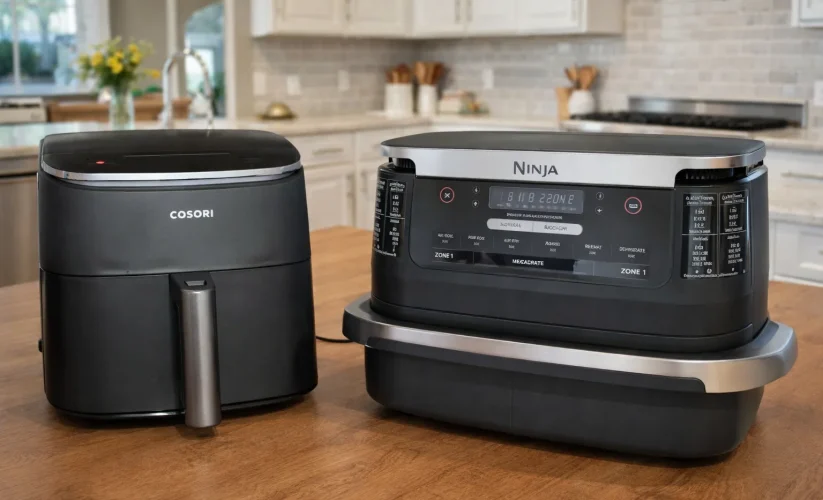
Ninja is a brand known for multi-function kitchen appliances, the Ninja Foodi line in particular combines pressure cooking, air frying, steaming, slow cooking, baking, and grilling into one unit. The idea is to simplify the cooking process by automating temperature control, timing, and even some technique.
For beginners, this means less guesswork. A Ninja appliance takes a piece of chicken, a cup of broth, and a few vegetables and transforms them into a full meal without requiring the cook to monitor a burner or worry about burning. Preset programs handle much of the decision-making.
The appeal is obvious: fast results, reduced risk of ruining a meal, and a relatively small footprint in the kitchen. Many beginners find that early wins with a Ninja build enough confidence to eventually explore more complex cooking.
What Is Traditional Cooking?
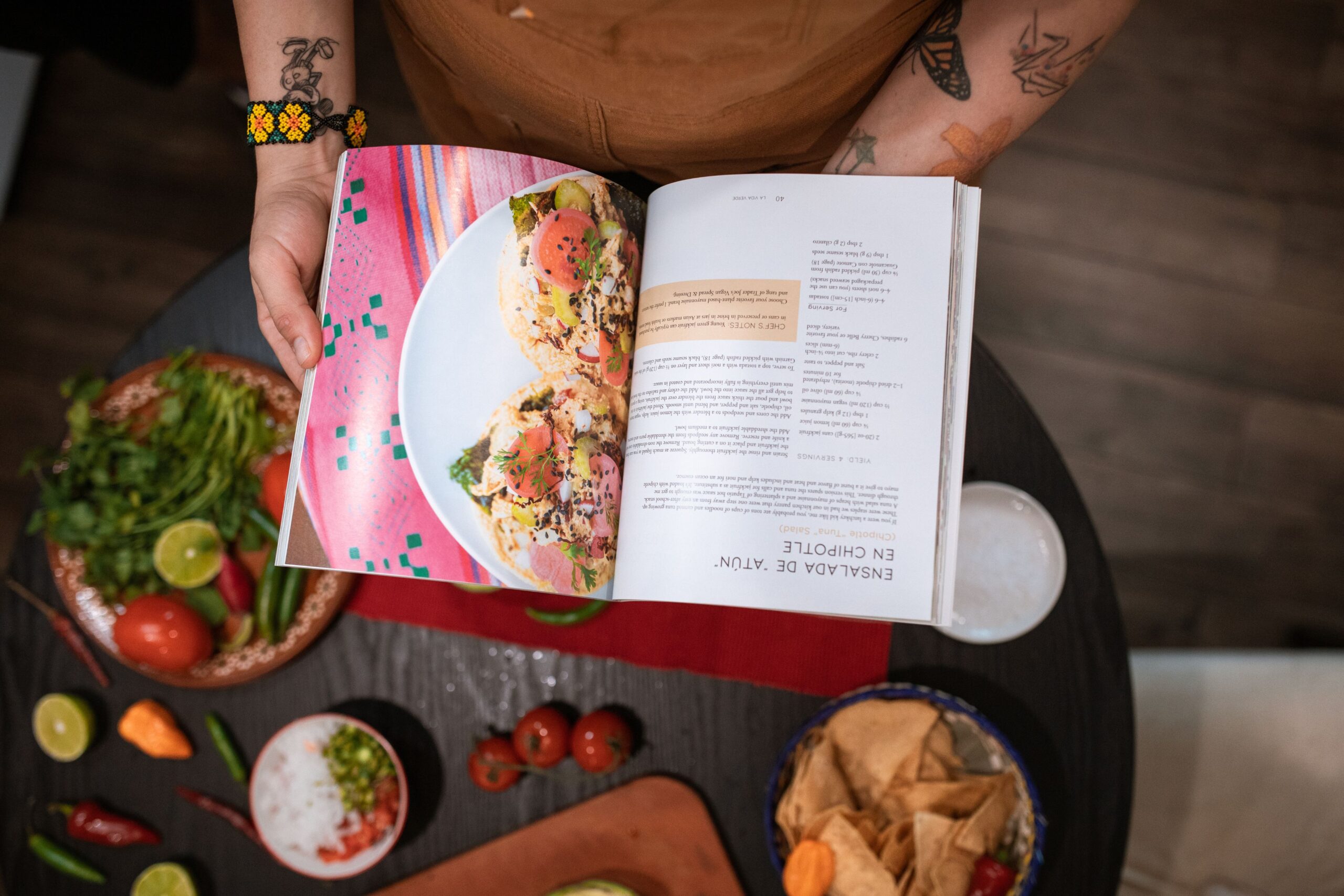
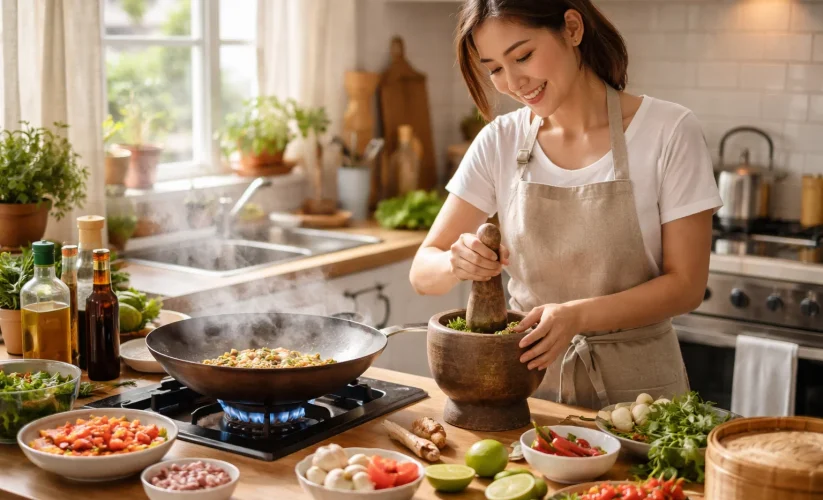
Traditional cooking refers to using standard kitchen equipment, gas or electric stovetops, conventional ovens, pots, pans, and knives, without relying on automated appliances. It includes techniques like sautéing, roasting, braising, boiling, and baking, each of which requires developing a feel for heat, timing, and flavor.
These are skills that have been passed down through generations and remain the foundation of professional culinary training. Traditional cooking forces a cook to pay attention: to the sound of oil in a pan, to the color of onions softening, to the bubbling of a sauce nearing the right consistency.
While the learning curve is steeper, the payoff is a flexible skill set that applies to any recipe, any cuisine, and any kitchen setup — no electricity required beyond a working stove.
Speed of Learning: A Side-by-Side Comparison
When it comes to how quickly a beginner can produce reliable, edible meals, the two approaches differ significantly.
Short-Term Learning Speed (Weeks 1–4)
Ninja appliances win clearly in the short term. A beginner can follow a simple recipe, place ingredients in the pot, press a button, and serve a complete meal within 30 minutes on day one. There is minimal risk of burning food, undercooking proteins, or making a mess. Confidence builds quickly.
With traditional cooking, the first few weeks often involve overcooked pasta, unevenly browned meat, and underseasoned dishes. These are normal parts of the learning process, but they can feel discouraging. Progress is slower early on.
Medium-Term Learning Speed (Months 1–3)
Here the gap narrows. Beginners who started with traditional cooking begin to internalize heat control and flavor development, skills that compound over time. They can start improvising, substituting ingredients, and troubleshooting problems on the fly.
Ninja beginners, by contrast, may find themselves dependent on preset programs. Without understanding why a dish works, how pressure affects texture, why browning matters, they may struggle to adapt when a recipe goes wrong or when they need to cook on a regular stovetop.
Long-Term Skill Retention
Traditional cooking produces more durable, transferable skills. A cook who learned to braise on a stovetop can cook in any kitchen in the world. A cook who relied entirely on a Ninja multi-cooker may feel lost without it.
That said, Ninja cooking is not a dead end. Many experienced cooks use these appliances daily because they are genuinely efficient. The limitation is less about the appliance and more about whether the beginner ever ventures beyond it.
Cost Considerations for Beginners
Budget matters. Here is how both approaches compare in terms of startup costs.
- A mid-range Ninja Foodi unit typically costs between $100 and $200 on Amazon and replaces several appliances in one purchase.
- A traditional beginner cookware set (3–5 pieces) starts around $50–$80, though quality sets run higher.
- Traditional cooking requires additional tools over time: a good knife ($30–$80), a cutting board, measuring cups, and baking sheets add up.
- Ninja appliances tend to have lower ongoing costs since they reduce energy use through faster cooking times.
- Long-term, neither approach is dramatically more expensive, but the Ninja route front-loads the investment while traditional cooking spreads it out.
Kitchen Space and Lifestyle Fit
Kitchen space is a practical constraint that often gets overlooked in cooking advice. A Ninja Foodi is a single appliance that can replace a pressure cooker, air fryer, slow cooker, and dehydrator, a genuine space saver for small apartments.
Traditional cooking, however, requires pots, pans, baking dishes, and often a full-size oven. For anyone in a small urban kitchen, that can be a real challenge.
Lifestyle also plays a role. Beginners with busy schedules, students, working parents, people with demanding jobs, are far more likely to actually cook regularly if the process is fast and simple. Consistency matters more than method when it comes to building cooking skills. An approach that gets used every day beats a theoretically superior approach that feels like too much effort.
Flavor and Skill Ceiling
One honest trade-off worth acknowledging: traditional cooking produces more nuanced flavors at the high end. The Maillard reaction, the browning that happens when meat hits a screaming-hot skillet, creates depth and complexity that pressure cooking cannot replicate in the same way. Classic French sauces, properly reduced, taste different from anything that comes out of a multi-cooker.
For beginners whose goal is to eventually cook impressive meals for others, dinner parties, special occasions, date nights, traditional technique will be the more satisfying long-term investment.
For beginners whose goal is simply to eat well at home without spending money on takeout, Ninja cooking offers exceptional results relative to time and effort invested.
The Case for Combining Both
Many home cooks find that the smartest approach is not to choose one path but to use both. A Ninja appliance can handle weeknight meals, quick soups, batch cooking, proteins, while traditional stovetop and oven skills are developed on weekends or for more ambitious recipes.
This hybrid approach means beginners are building real skills without feeling overwhelmed, and they have a reliable backup when time is short. Over time, the traditional skills grow naturally, supported by the confidence that comes from consistently cooking well with the Ninja appliance.
Conclusion
There is no single fastest way to learn cooking, but there is a fastest way to become a cook who actually cooks. For most beginners, starting with a quality Ninja appliance lowers the barrier enough to make daily cooking realistic. Early consistency builds familiarity with flavors, ingredients, and meal planning in ways that benefit any later transition to traditional techniques.
Traditional cooking, on the other hand, rewards patience and curiosity. For beginners who are motivated by mastery and genuinely enjoy spending time in the kitchen, learning stovetop fundamentals first will pay dividends for a lifetime.
The wisest advice is to match the method to the person, not the other way around. Both approaches can produce skilled, confident cooks, the key is simply to start.
Frequently Asked Questions
Q1: Can a complete beginner use a Ninja appliance without any cooking experience?
Yes. Ninja appliances are specifically designed to be beginner-friendly. Most models include preset programs, and many recipes require nothing more than adding ingredients and pressing a button. Some basic food safety knowledge is still recommended, understanding safe internal temperatures for meats, for example, but no prior cooking skill is needed to get started.
Q2: Will relying on a Ninja appliance prevent someone from learning to cook traditionally?
Not necessarily. Plenty of home cooks use Ninja appliances regularly while also developing traditional skills at their own pace. The risk is only that a beginner who never ventures beyond preset programs may not build transferable knowledge. With intentional practice, both skill sets can grow in parallel.
Q3: What traditional cooking skills should every beginner learn first?
The most foundational skills are knife safety and basic cuts, cooking proteins to the correct doneness, building flavor with aromatics (onion, garlic, herbs), and understanding heat levels on the stovetop. These form the backbone of nearly every cuisine and make every other technique easier to learn.
Q4: Are Ninja appliances worth the investment for someone on a tight budget?
For many beginners, yes. A single Ninja Foodi unit replaces multiple appliances, potentially saving money compared to purchasing a full traditional cookware set plus an air fryer, slow cooker, and pressure cooker separately. The upfront cost is higher, but the overall value proposition is strong for budget-conscious beginners who cook at home regularly.
Q5: How long does it typically take to feel comfortable cooking traditional meals?
Most beginners who practice consistently, even just 3–4 times per week, start to feel genuinely comfortable with stovetop cooking within 2 to 3 months. Full confidence, including the ability to improvise and adapt recipes, usually develops within 6 months to a year of regular practice.
Last update on 2026-09-21 / Affiliate links / Images from Amazon Product Advertising API
*We may earn a commission for purchases made using our links. Please see our disclosure to learn more.